
Staff Profile: Up Close & Personal with Professor Jon Emery
 |
By Retna Devi D/O Shanmuga Retnam |
Appointed as Professor of Family Medicine at LKCMedicine in July 2025, Professor Jon Emery brings a wealth of international expertise in cancer and genomic medicine in primary care. Renowned for his work in advancing early cancer detection and translating research into real-world clinical impact, he has played a key role in shaping more personalised, evidence-based approaches to patient care globally. As Co-Director of the newly established Research Institute for Cancer Prevention, Screening and Early Detection (RISE), a joint initiative between LKCMedicine and the National Cancer Centre Singapore, he is now set to help drive the next phase of innovation in Family Medicine research in this part of the region.
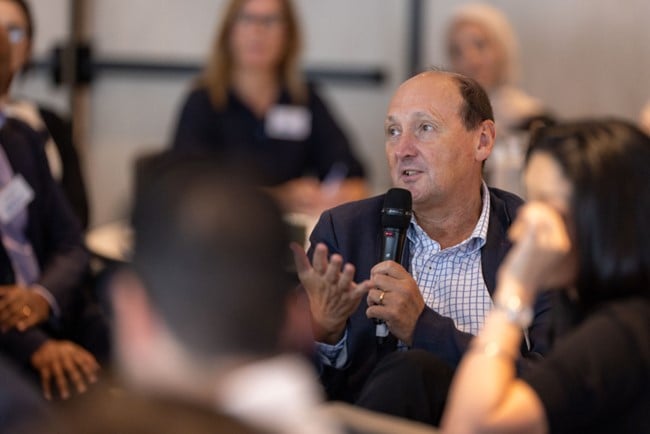
Before joining LKCMedicine, Prof Emery held leading roles as Herman Professor of Primary Care Cancer Research at the University of Melbourne and Director of Primary Care Collaborative Cancer Clinical Trials Group (PC4) in Australia, where his work focused on risk-stratified screening, multi-cancer early detection and the use of real-world data to improve outcomes. In this Up Close & Personal feature, he shares more about his journey, what drew him to Singapore and his vision for strengthening collaboration and accelerating progress in cancer prevention and early detection.
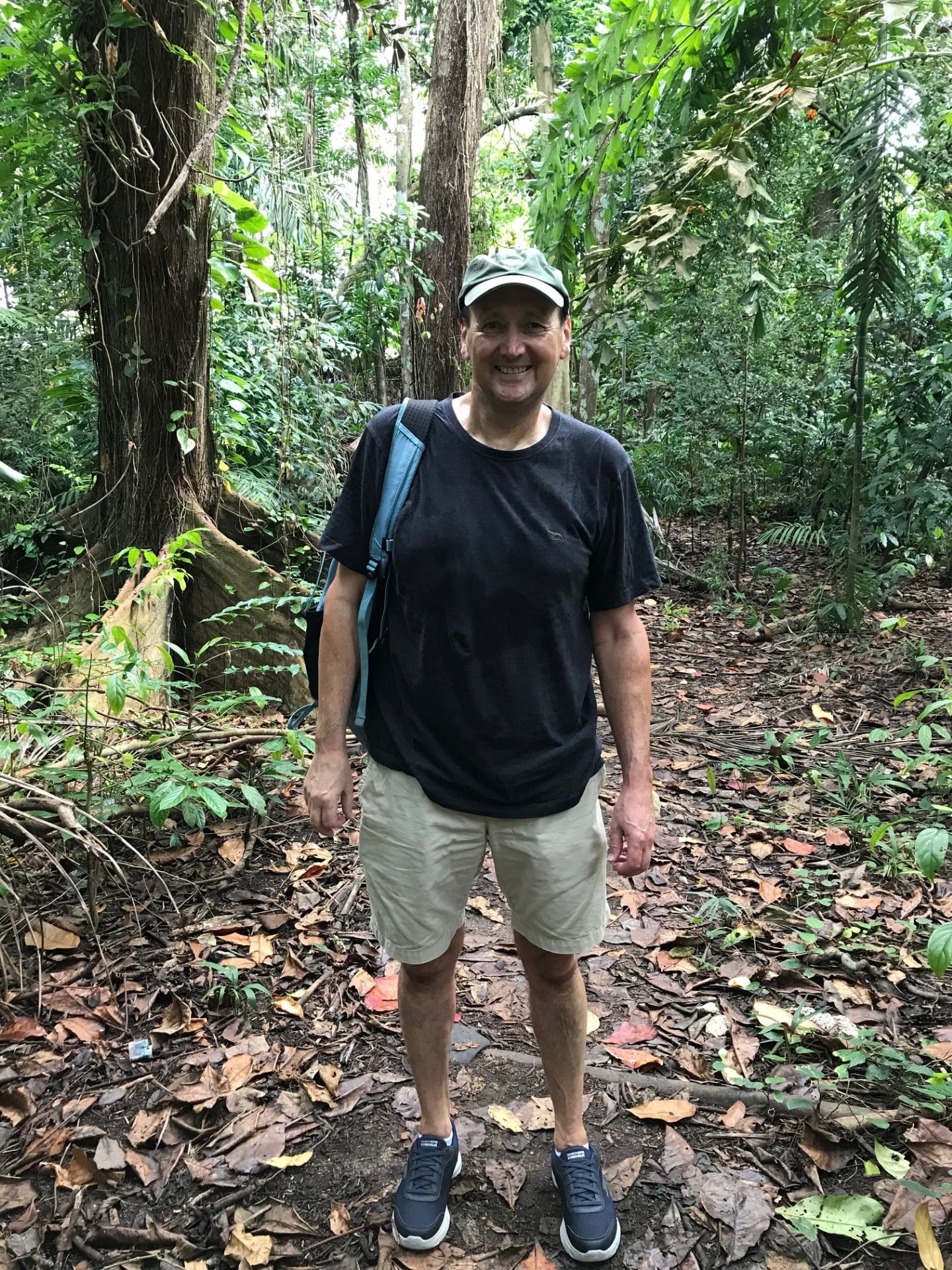
Prof Emery enjoying the wilderness of Bukit Timah Nature Reserve.
What inspired your focus on cancer research within primary care?
I was exposed to the concept of medical research as a child by my father who worked as a financial adviser in a research organisation focused on smoking and cancer. Sadly, he died of lung cancer in my first year at medical school.
During my medical training I did not envisage ending up where I am now. I had some serendipitous opportunities which arose during my postgraduate training as a General Practitioner (GP) which piqued my interest in cancer and genetics research. I was supported by one of my medical school tutors from Oxford to obtain a fellowship to pursue a PhD, focused on familial cancer risk. I enjoyed it so much and I never looked back after that.
It has been nine months since you joined LKCMedicine. How has your experience been so far?
Busy but very enjoyable. It has been a steep learning curve trying to get to know the many people across Singapore working in cancer screening and detection. We have made good progress with the development of RISE, which will be formally launched in May.
LKCMedicine has been very supportive of this initiative, and we are already establishing some new research projects focused on predicting risks of multiple cancers and the efficacy of multi-cancer detection tests.
What drew you to join LKCMedicine, and how do you envision your new role contributing to the School’s mission in academic medicine?
During visits to Singapore before and after the pandemic. I met several key people at LKCMedicine, such as the Dean, Professor Joseph Sung and Associate Professor Joanne Ngeow. There was a strong vision to develop work on precision cancer screening and prevention at LKCMedicine, as part of broader initiatives in Singapore on precision medicine. This conviction was very appealing.
I see my role in leading national research trialling new techniques to identify people who would benefit from more intensive cancer screening to detect their cancers earlier, so that they can be cured.
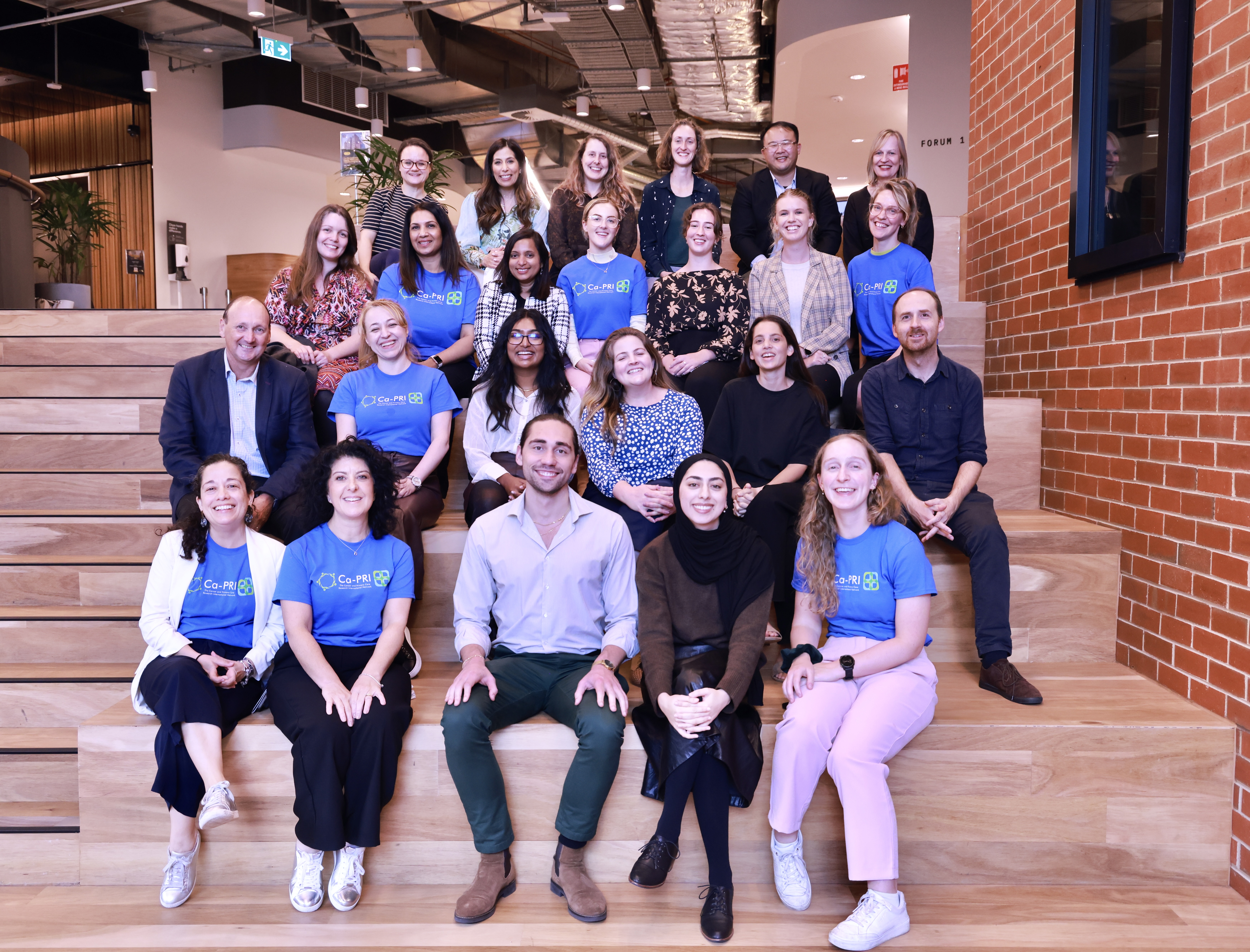
The Ca-Pri 2024 conference in Melbourne, Australia.
How do you see your expertise in primary care cancer research complementing Singapore’s evolving healthcare landscape?
Singapore has recognised the important role that primary care plays in healthcare systems, especially in terms of disease prevention, and early detection and intervention. This is evident in several Singapore policies in recent years, not least, Healthier SG.
However, historically there has been relatively little support to conduct large scale research in primary care, where the majority of healthcare is delivered. I hope to bring my experience and expertise in conducting trials in primary care settings for new cancer screening and risk assessment tests that can inform future policy on risk-based screening and implementation of genomics in Singapore.
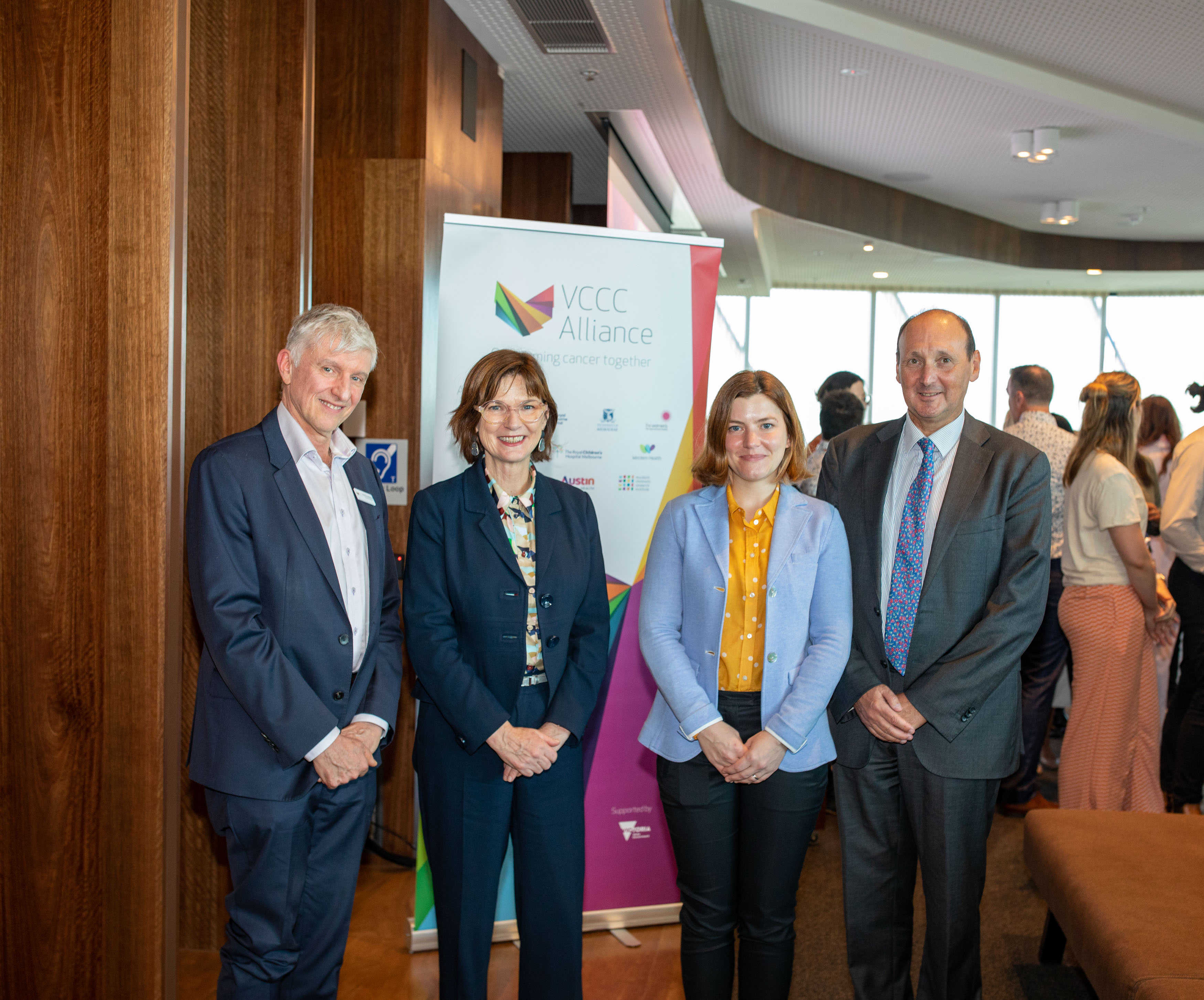
The launch of Data Connect, which provides expert support to researchers to access multiple linked data sets, in Melbourne, Australia, in 2023.
Your research spans prevention, screening, early diagnosis, survivorship and health service integration. What connects these themes in your overall research vision?
Primary care has an important role across all these parts of the cancer continuum, and my research has aimed to cover all these aspects. Many health systems struggle because of poor integration between primary care and the hospital sector, with lack of clarity about respective roles and poor communication.
My previous trials in cancer survivorship have tested models of shared care to improve this integration. In Singapore, the cancer centres are implementing several of the components from these survivorship models to improve health system integration and the patient experience.
Similarly, early detection requires better integration between the respective elements of the health system. For example, screening programmes require clear recall and reminder systems and pathways of follow-up for those with positive screening test results. There is room for improvement in how cancer screening programmes are implemented to ensure participation and there is proper follow up if participants test positive.
You have been instrumental in advancing primary care cancer research globally. What are the key challenges and opportunities in translating cancer research into real-world healthcare systems?
There are of course many challenges! One of the important ones, especially as I have moved from the UK, then Australia and now to Singapore, is recognising the importance of local context. New approaches to support early detection that have been shown to work in some countries, require local adaptation to meet the needs of the local population.
This is not just about the differences in how health systems function, but also local cultural norms and beliefs about health and disease, and local norms of clinicians and policy makers too.
How are genomic and risk-based assessment tools reshaping the way primary care clinicians approach cancer detection and management?
Internationally, there is growing recognition that general population cancer screening programmes are expensive and create challenges of false positives, overdiagnosis and overtreatment. As a result, there is increased interest in more risk-based approaches to cancer screening that target people who are at higher risk of that cancer.
Low dose computed tomography screening for lung cancer on those at higher risk due to their smoking history is one example of what is already being implemented in many countries. We now have genomic tests that can be used to identify individuals at higher risk of several common cancers such as breast, bowel and prostate. Some of the research at RISE will be testing how we can apply these genomic tests to focus our screening efforts on those with increased risk.
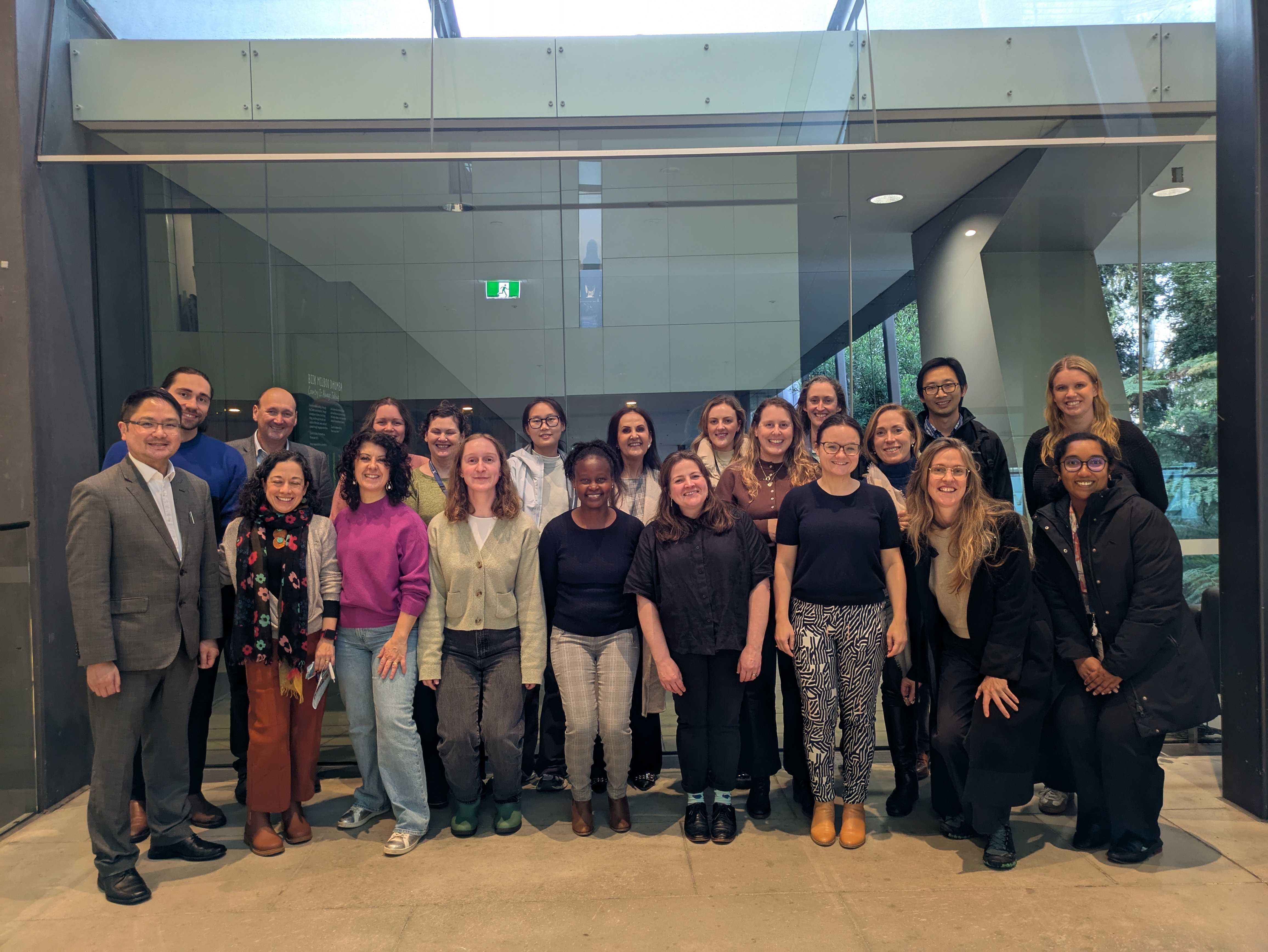
Prof Emery spent his last day treasure hunting at a natural history museum with his team at Melbourne University
You have led numerous multidisciplinary teams and national research initiatives. What are the key ingredients for successful research collaboration?
The first one is finding people you like working with! Collaborations only work well when you develop strong, trusting relationships that respect the different areas of expertise that each person brings to the collaboration.
In Australia, I led a collaborative trials group called PC4 which helped to build these relationships between groups of clinicians – GPs, oncologists, nurses, physiotherapists, genetic counsellors – and 'methodologists' such as behavioural scientists, statisticians, health economists and epidemiologists. We ensured we had gathered input from patients and members of the public early on so that we could design research that was meaningful and feasible. Over several years, we brought together groups of these experts to design new trials, develop early career researchers and promote primary care cancer trials. Of course, this required money and we were fortunate to have funding from Cancer Australia's clinical trials collaborative group scheme that enabled us to do this work.
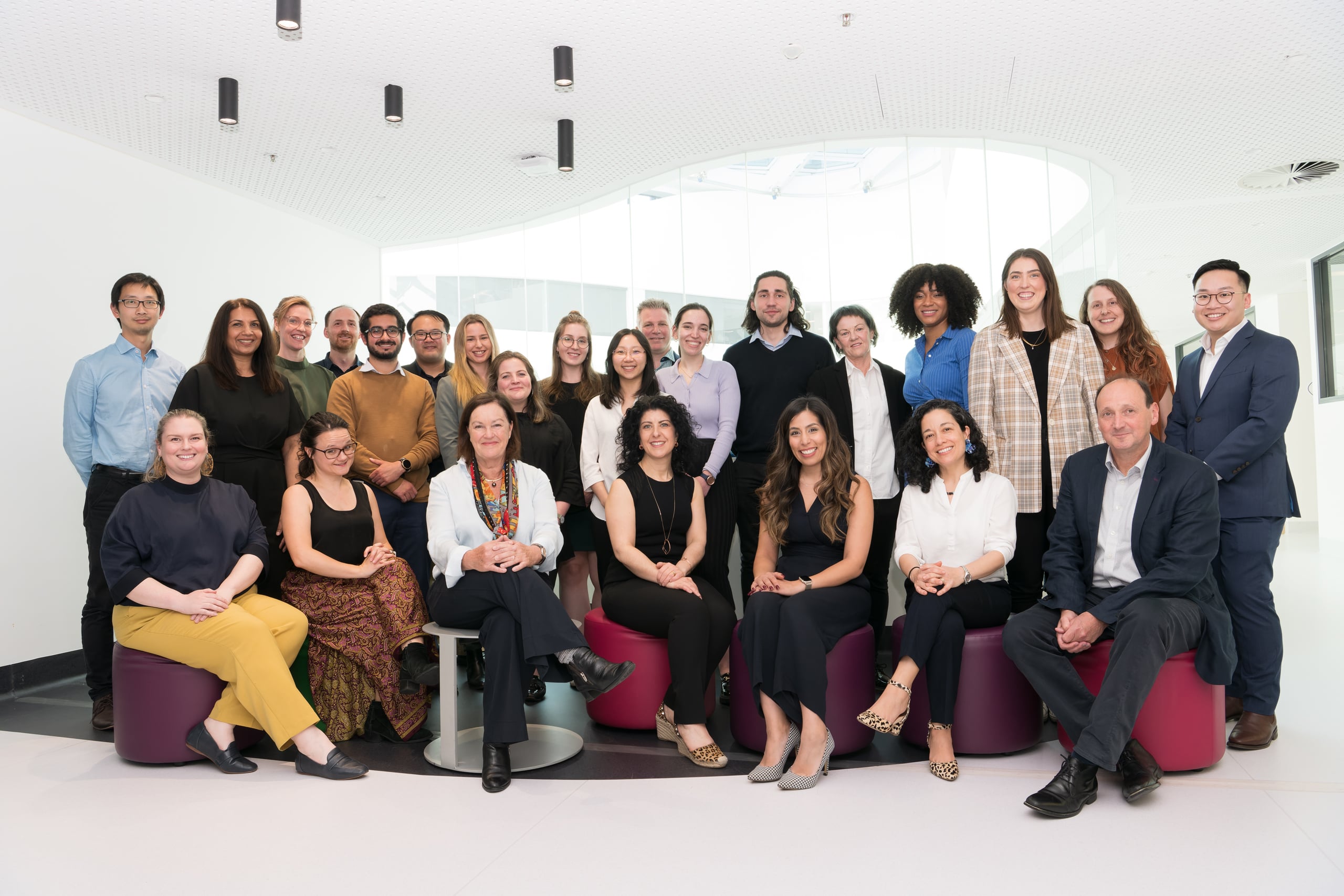
Together with his 30 plus strong cancer in primary care and PC4 team.
With over AUD $60 million in research funding and more than 400 publications, what moments or achievements stand out in your career?
I think, like many researchers, completion of the PhD is an important milestone that helped set me on my career path. That work eventually led to the development of the CanRisk tool at Cambridge University, which is now widely used in genetics settings. I am still involved in related work to develop tools that are more suitable for primary care.
My research has allowed me to have important input into several areas of Australian policy, especially in terms of the design and conduct of the National Bowel Cancer Screening Programme and the launch of the National Lung Cancer Screening Programme. Both programme will have significant impact in reducing the number of people dying of these cancers and the effects that a cancer diagnosis has on their families.
I have led national initiatives to raise the genetic literacy of GPs so they are better prepared to use new genomic tests. We are seeing effects of this in the growing use of pre-natal genetic tests by GPs and, in the near future, pharmacogenomic tests. Finally, my work on polygenic risk scores has already informed the Australian Cancer Plan with expectations that these will be applied to risk-based screening in the next five years.
Outside of research, what do you enjoy doing that helps you recharge or find fresh perspectives?
I love natural history. So, I am enjoying exploring the natural beauty and wildlife in Singapore and the region. It surprises and delights me how much green space remains in Singapore and the breadth of wildlife you can see here. My highlights so far are seeing otters on my way to work and a huge saltwater crocodile in Sungei Buloh.
When I lived in Melbourne, I was a fanatical royal tennis player. The historic origins of lawn tennis, which combines skills from squash and tennis, can be traced back to royal tennis. (Click here for a Real Tennis 101)
Sadly, Singapore has never had a royal tennis court, so I now make do with playing normal tennis in the Singapore heat!
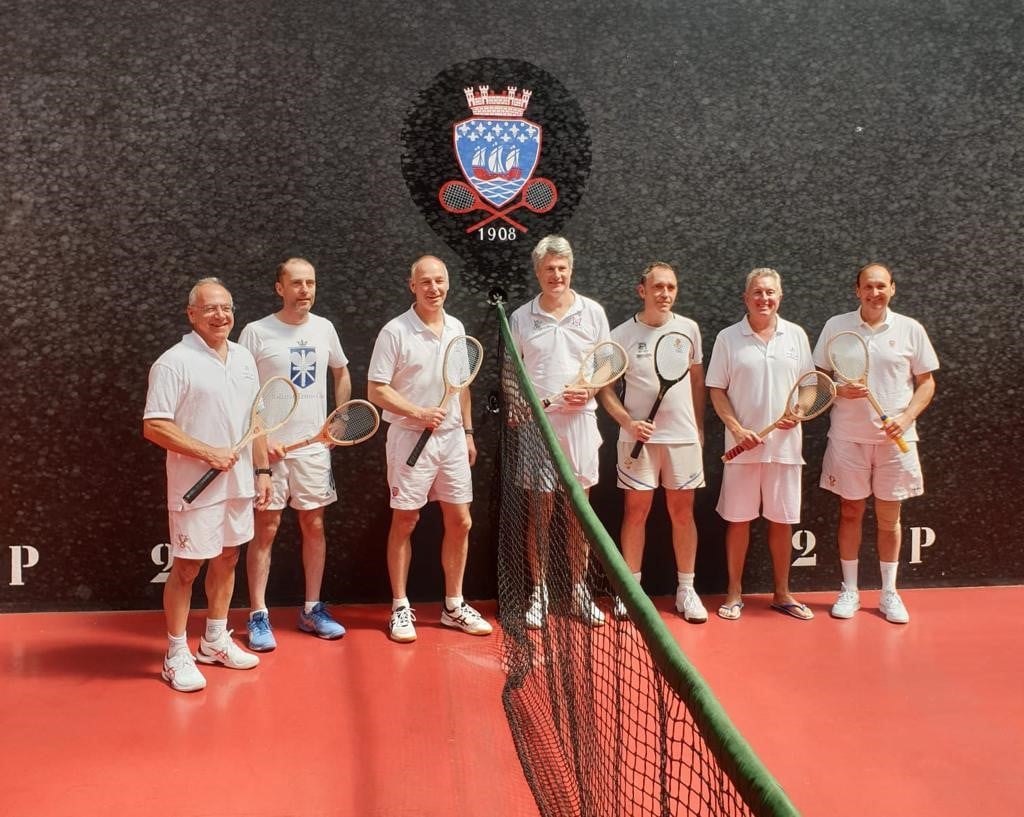
Prof Emery with the Australian Royal Tennis team at Paris Masters 2024.