In Focus: Redefining Medical Education for the Digital Age
 | By Sanjay Devaraja, Editor, The LKCMedicine |
As early as 2023, LKCMedicine publicly committed to a forward-looking curriculum that integrates artificial intelligence (AI) and digital health as core themes, aiming to produce doctors who are both compassionate and technologically adept. The curriculum refresh for the NTU MBBS programme launched in 2024 reinforces the School’s reputation as one of the early adopters of AI in undergraduate medical education, both in Singapore and the region. Through curriculum reform, cross-campus collaborations, and flagship AI initiatives, LKCMedicine continues to embed AI and digital health across its teaching, learning, and student support systems.
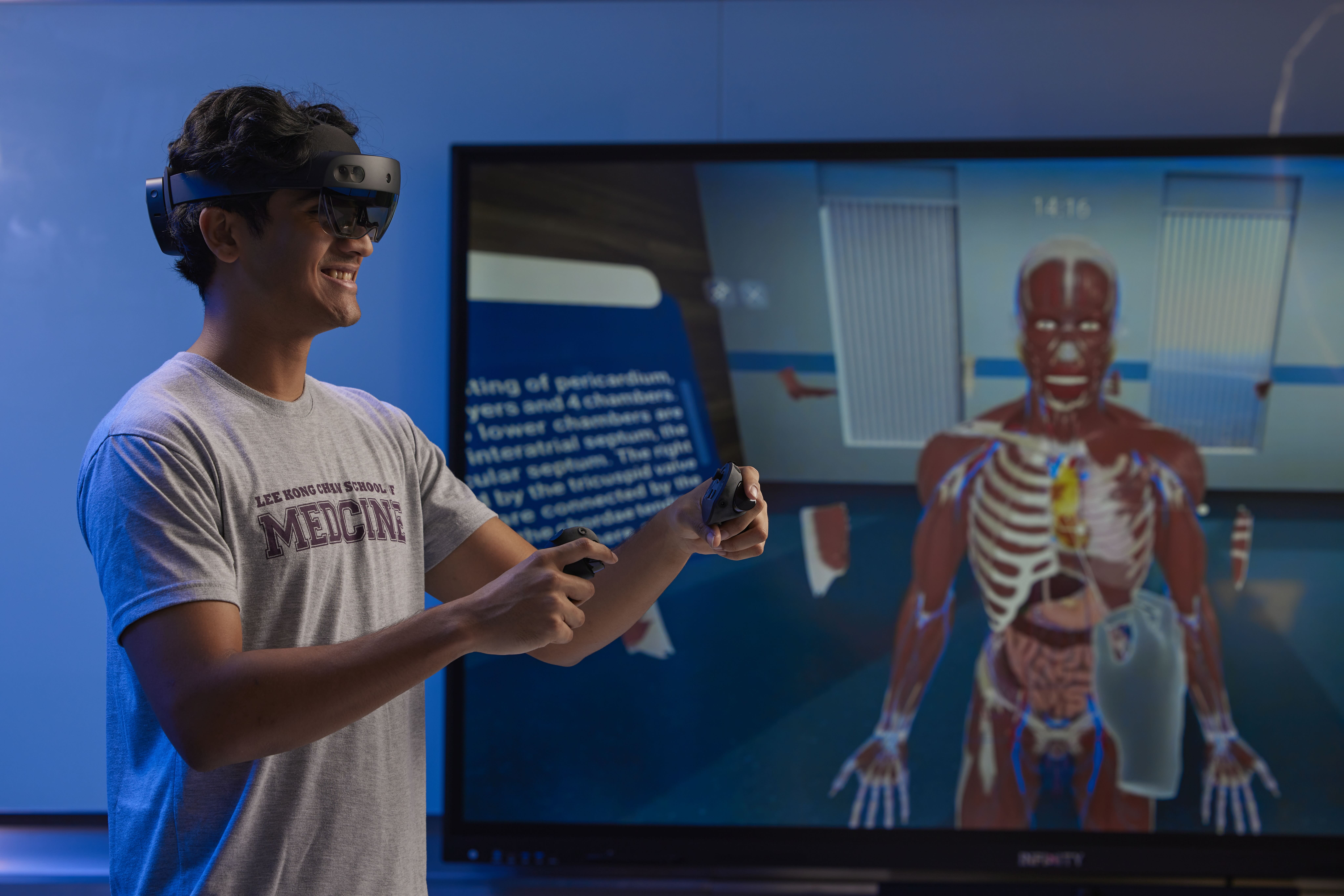
Within NTU Singapore, LKCMedicine stood out as one of the earliest schools to formally integrate AI into its educational and operational strategies. While other colleges were beginning to explore AI applications in research and administration, LKCMedicine was already embedding AI into its teaching and learning framework, forging partnerships across disciplines to develop AI literacy among medical students and faculty alike. This proactive approach positioned the School as a trailblazer in NTU’s broader vision to harness AI for education, innovation, and societal impact.
NTU Deputy President and Provost Professor Christian Wolfrum has underscored this balanced vision of technology‑enabled learning across the University: “AI has indeed emerged as our partner in learning and collaboration, helping teams work more efficiently, sparking new insights, and personalising education in ways that were not possible before. That said, human interaction is still the most important factor for students to understand, apply and innovate. At NTU, we see technology as an enhancer of education, not as a replacement.”
A Curriculum Shaped by Digital Health and AI
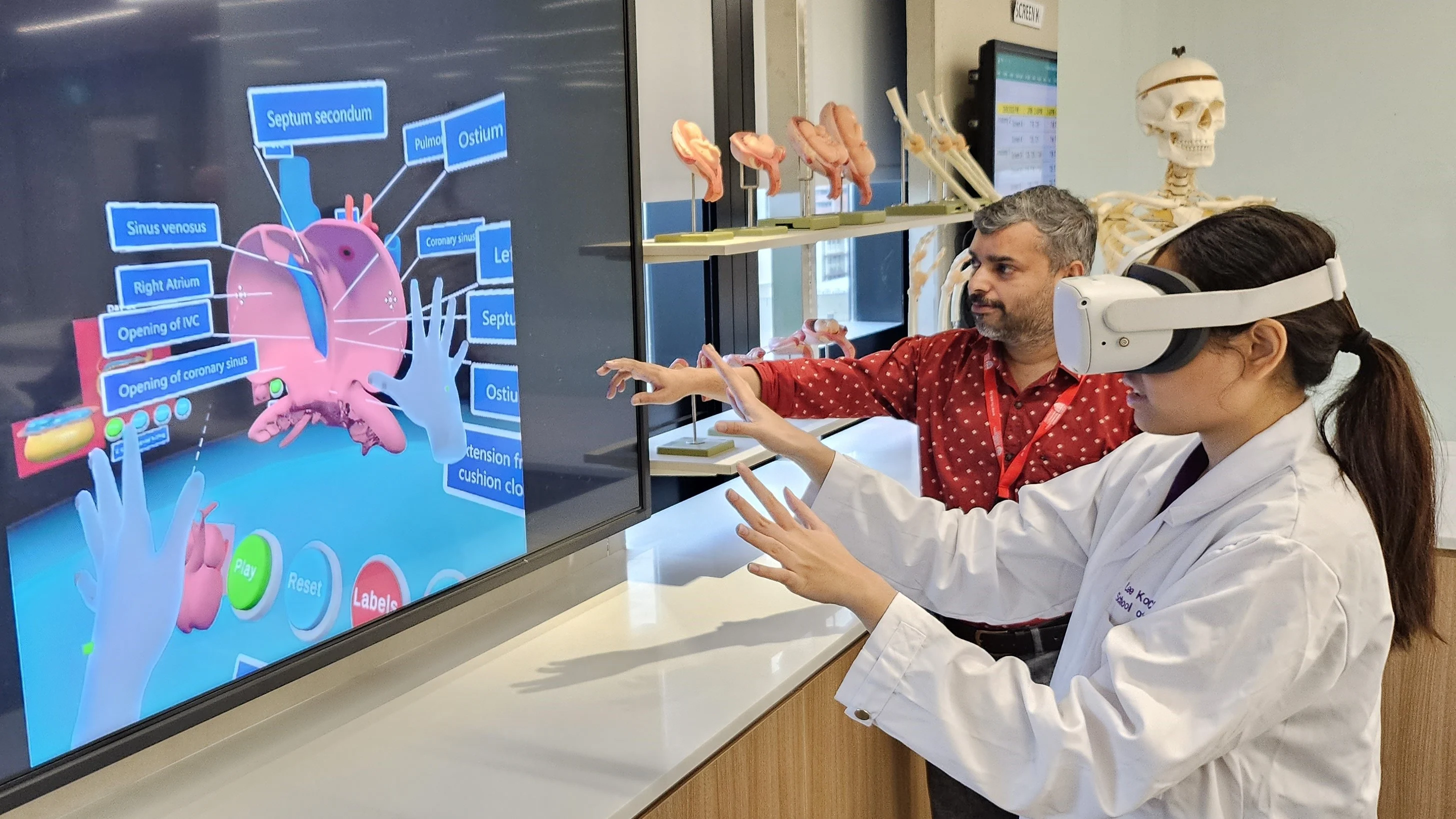
The launch of the NTU MBBS in AY2024–25 marked a major curriculum reform that weaves digital health as a vertical theme across all five years, ensuring students encounter AI, data and technology in a progressive, clinically grounded way rather than as add‑on content. Interdisciplinary modules such as Digital Health & AI and Medical Humanities draw on NTU’s strengths in computer and data science, humanities and social sciences, so future doctors can understand both the technical underpinnings and ethical, social and human dimensions of AI in care. A new Clinical Skills Integration Week in Year 2 further supports the transition from campus to clinic, with clinical skills and digital tools deliberately brought together to reflect real-world practice.
“The refreshed MBBS curriculum ensures our students experience AI and digital health meaningfully at every stage of their learning. By connecting technical, clinical, and ethical dimensions, we are preparing future doctors who can think critically, practise safely, and contribute confidently to a healthcare system transformed by technology. Our graduates will be digitally fluent yet compassionate, ready to lead in tomorrow’s clinical and academic environments,” said Vice‑Dean (Education) at LKCMedicine, Associate Professor Faith Chia.
The Ministry of Health’s Medical School Evaluation Team strongly endorsed this approach in its 2024 external review, highlighting LKCMedicine’s clear mission, dynamic curriculum, robust assessment framework and strong student support systems as foundations for training future-ready doctors comfortable with technology-enabled care. This affirmation provides national-level validation that the School’s digital and AI direction is well aligned with healthcare system needs.
AI-enabled Learning and Assessment
LKCMedicine’s Digital Learning team is rapidly expanding AI-enabled tools that give students safe spaces to practise and receive feedback at scale. A new MBBS Clinical Communications Chatbot, built with real-time AI, will provide immersive, simulated patient encounters for students from Year 1 to Year 5, offering ‘anytime, anywhere’ access, immediate feedback and curriculum-aligned scenarios at a fraction of commercial costs. The Electronic Medical Record Simulator (EMRSim), an in-house electronic medical record simulator modelled on leading clinical systems, already supports more than 300 Year 4 and 5 students annually, extending EMR practice beyond clinical postings and giving faculty dashboards for efficient marking and feedback.
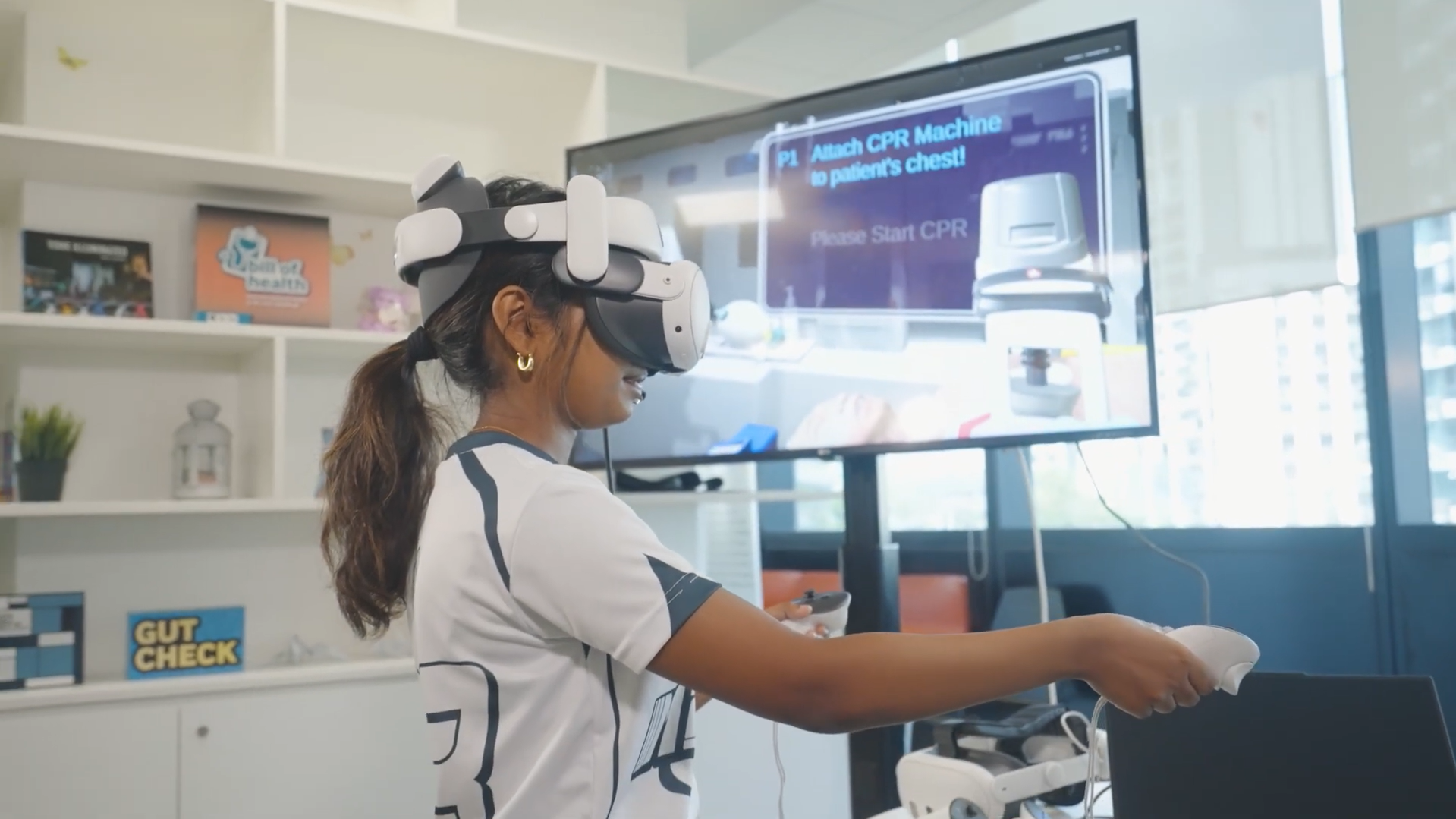
Riley, a generative AI chatbot co-developed with faculty, was first deployed in 2025 to support Year 1 students in Scientific Enquiry and Evidence‑Based Medicine, helping them master complex information-literacy skills such as Boolean operators and Medical Subject Headings (MeSH) terms. It is now being scaled to Years 2 and 3 to support more advanced database searching and to enhance team-based learning, including for Year 4 Scholarly Research Projects. Beyond Tools, a cross-functional group led by Assistant Professors Daniel Quek and Andrew Li has articulated a School‑wide framework for AI in medical education, spanning AI tools, AI-enabled learning, educator support and, crucially, wisdom and discernment in real-world use—signalling that critical, ethical AI literacy is a core graduate attribute, not an optional extra.
Building a Digitally Fluent Education Ecosystem
Digital transformation at LKCMedicine extends beyond student-facing tools to the infrastructure that underpins teaching and academic operations. Robotic Process Automation (RPA) workflows built with Power Automate and UiPath now streamline over 10 routine processes – from attendance tracking to examination report uploads – processing more than 1,000 submissions annually and saving an estimated 30 to 40 staff hours each month, while improving accuracy and response times for students. Workshops such as “Getting Started with Power Automate and RPA” have introduced staff across the School to automation, seeding new collaborations in areas like feedback analysis and learning analytics.
Student engagement in AI and Digital Health is also being nurtured through co-curricular initiatives. An AI for Students chapter, established in collaboration with AI Singapore, creates a platform for medical students to learn alongside peers from other disciplines and to build networks across the national AI ecosystem. At the same time, initiatives such as the Learning Progress Dashboard and student–staff co‑creation programmes (e.g. the Young Medical Educator Programme) use digital tools and data to strengthen feedback facilitation, student agency and partnership in curriculum design.
Translating AI and Digital Health into Clinical Practice and Research
On the Research front, LKCMedicine’s research programmes are using AI and data science to tackle real-world clinical challenges, creating a feedback loop between bench, bedside and classroom.
For example, the Primary Care and Family Medicine stream is developing multi‑agent AI architectures for lifestyle coaching, multimorbidity decision support and digital phenotyping for depression and type 2 diabetes, aiming to personalise care, support continuous monitoring and optimise scarce manpower in community settings. The Data Science and Artificial Intelligence programme is creating deep learning systems for neurosurgical planning that can deliver neuronavigation‑level precision without expensive intraoperative hardware, as well as explainable AI frameworks for melanoma and haematology that integrate clinician reasoning into model design.
The Centre of AI in Medicine (C‑AIM), jointly established with NHG Health, now convenes more than 100 researchers and clinicians to co‑develop AI solutions for mental health, imaging, cancer screening and frailty, alongside responsible AI governance. Its work includes grants for AI‑based CT denoising and speech-based mental health diagnostics, and a Responsible AI Roundtable that brings ethicists, clinicians, technologists and patient advocates together to shape policy and regulation.
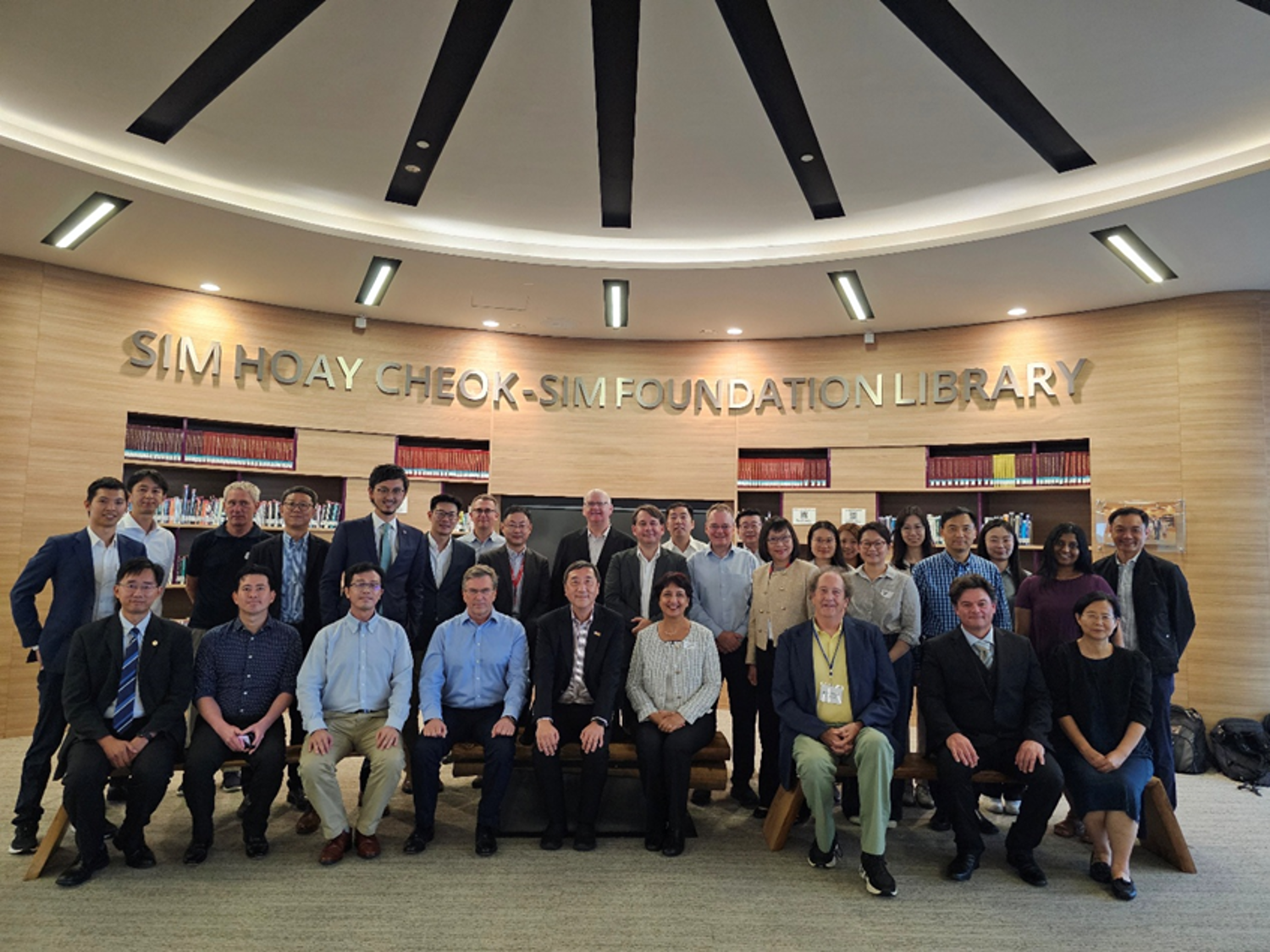
At the Responsible AI Roundtable held last year, representatives from NTU’s Research Integrity and Ethics Office and the President’s Office were present to share updates on regulations and best practices.
“At LKCMedicine, we see AI not as a replacement for human judgement or empathy, but as a way to enhance them. Embedding AI into both research and education, we are cultivating a generation of clinicians and scientists who understand technology deeply, yet remain people‑centred in their care. The Centre of AI in Medicine brings together disciplines and institutions to translate innovation into better health outcomes and more equitable access to care,” said LKCMedicine Dean Professor Joseph Sung, who also serves as Director of C-AIM.
Across population health, cancer prevention and microbiome research, AI and advanced analytics are being embedded into projects ranging from vector‑control evaluations to precision metabolic profiling and AI risk prediction models at the Research Institute for Cancer Prevention, Screening and Early Detection, slated to be launched in May 2026.
A Pipeline from MBBS to AI‑ready Professionals
New postgraduate offerings extend LKCMedicine’s AI and digital health vision beyond undergraduate training into professional and industry domains. The FlexiMasters and Master of Science in AI in Medicine (AIMed), launching in 2026 with clinician and engineer pathways, will equip healthcare professionals, data scientists and engineers with a shared foundation in AI and medical science and the skills to lead implementation in clinical environments. Short courses and specialist certificates in areas such as advanced musculoskeletal physiotherapy and pharmacotherapy for physiotherapists incorporate digital tools, advanced diagnostics and decision-support concepts to support expanded scopes of practice while maintaining patient safety.
Sim Foundation S$15 million Gift of Impact
A landmark S$15 million gift from the Sim Foundation in 2025 is accelerating LKCMedicine’s plans to leverage AI in both medical education and research, and is one of the largest philanthropic gifts the School has received. The gift strengthens the School’s capacity to deliver exceptional medical education by embedding AI and technology more deeply into teaching and by supporting AI-related research that informs future curricula and training.
The donation specifically supports research in applying AI in medicine and in using technology to improve patient care in hospitals and at home, with a focus on elderly and underprivileged patients, thereby linking AI education with real-world health equity and care delivery. It also funds overseas electives, scholarly projects, and international research competitions, giving students exposure to global AI-in-medicine developments and reinforcing LKCMedicine’s role as a forward-looking, innovation-driven medical school.
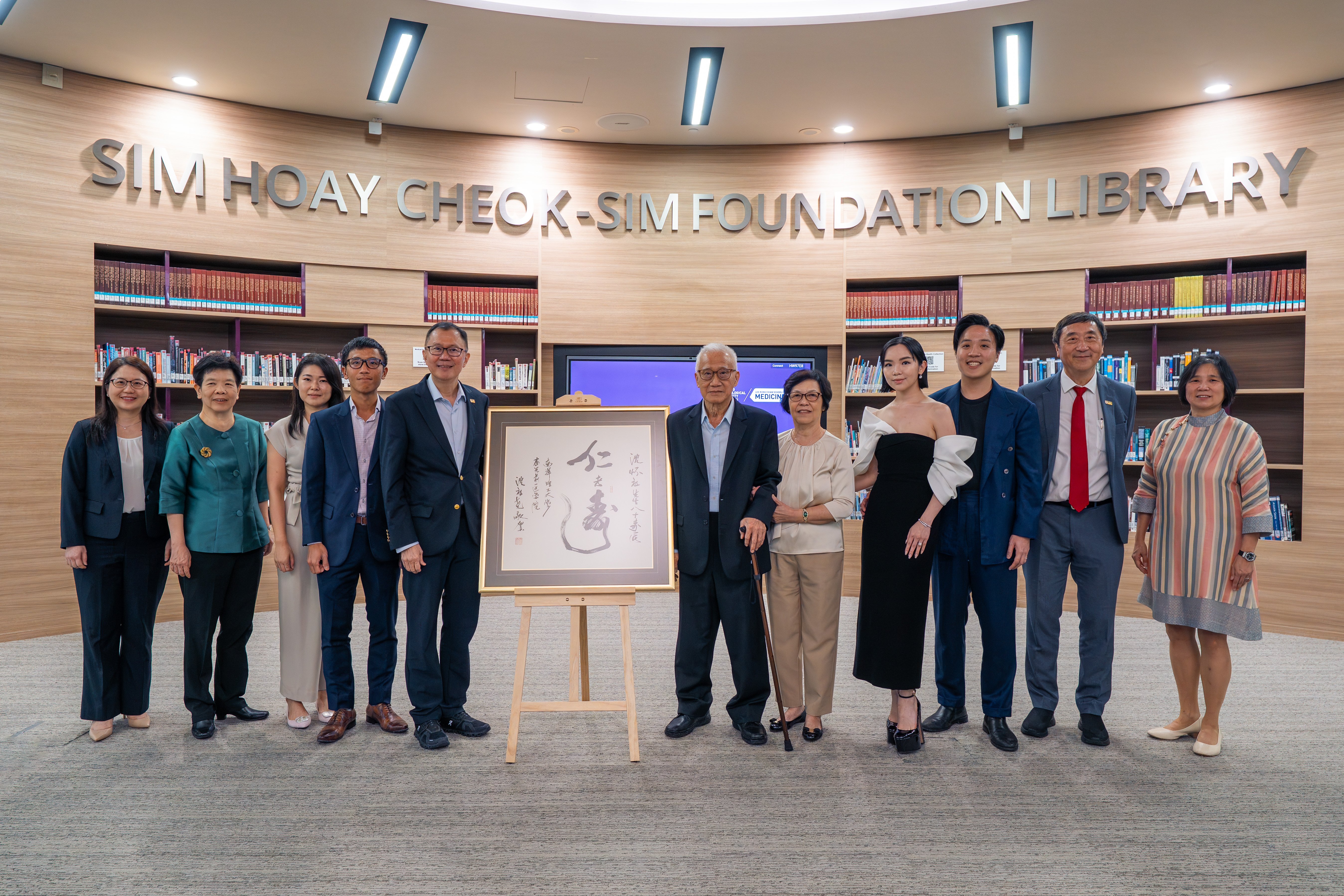
The latest donation by the Sim Foundation will support research in two main areas – using AI in medicine and developing technology to improve patient care in hospitals and at home.
A Continuum of Learning for the Digital Age
LKCMedicine’s deliberate integration of AI and digital health across its curriculum, learning ecosystem, research platform and postgraduate pathways reflects a clear commitment to preparing doctors for the realities of modern healthcare. From classroom to clinic, and from undergraduate to postgraduate education, the School is building a continuum of learning that evolves with the digital age, ensuring that its graduates and partners are ready to lead, innovate, and deliver compassionate, technology‑enabled care in an ever‑changing healthcare landscape.