Alumni Profile: Scout, Surgeon, Coffee Aficionado - Dr Sunil Ravinder Gill
 | By Sanjay Devaraja |
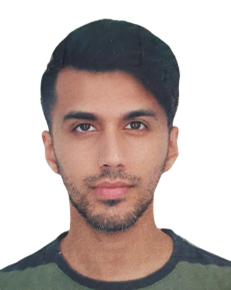
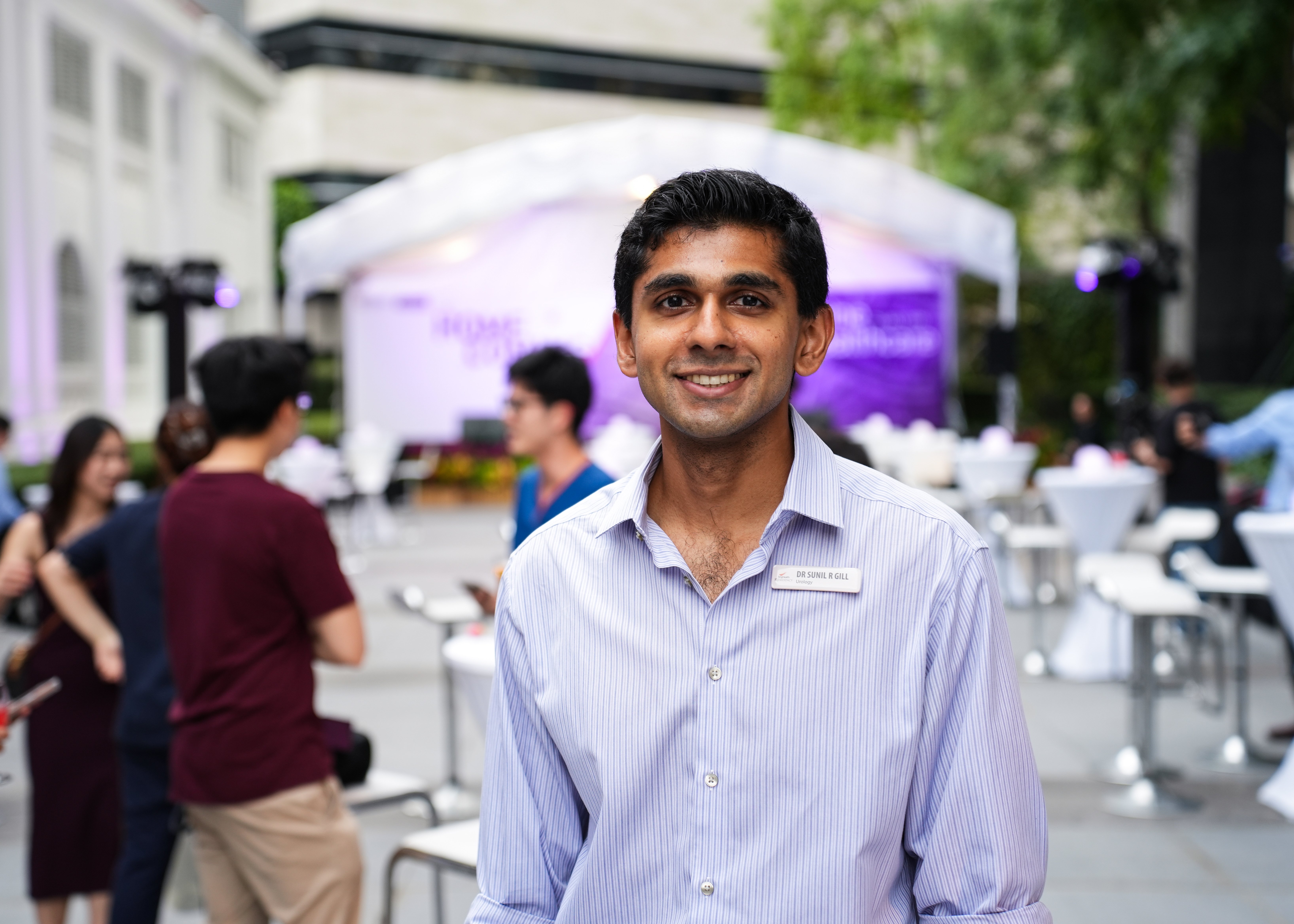
Amid the bustle of hospital wards and operating theatres, Dr Sunil Ravinder Gill (Class of 2019) thrives on the challenge and purpose of caring for patients with complex urological conditions. Now a third-year SingHealth Urology Resident at Sengkang General Hospital, he juggles clinics, surgeries, and emergencies with equal parts precision and empathy.
Beyond the hospital, his lifelong service in the Singapore Scout Association as National Commissioner and Assistant International Commissioner reflects his deep commitment to leadership and community. We caught up with Dr Sunil to learn how he navigates the controlled chaos of residency, what keeps him grounded, and the moments in medicine that remind him why he chose this path.
What first inspired you to pursue medicine, and how did that journey lead you to LKCMedicine?
Growing up, I had always known that I wanted to pursue a career that would allow me to have a positive impact on those around me. When I was 15, I had the opportunity to shadow a close family friend who was a surgeon at Tan Tock Seng Hospital. Seeing his warm and kind demeanour, and the positive impact that he made to his patients’ lives, inspired me to consider medicine as a career.
Looking back, why did LKCMedicine feel like the right fit for you at the time?
From the outset, the environment and overall vibe at LKCMedicine appealed to me. I recall attending the medical school entrance interview back in 2014. I had attended interviews at other universities as well, but the LKCMedicine interview experience was very warm and welcoming. It made me realise that this School was very progressive, innovative and that the team behind it was motivated to train well-rounded doctors.
Was there a particular module, posting, or mentor at LKCMedicine that shaped the way you practise medicine today?
Our clinical communication sessions were a very important part of our journey as medical students. They laid a strong foundation for me in my practice. For my friends and I, when we were in our clinical years seeing patients in the wards and clinics, it was a “lightbulb” moment when all the pieces started to fall into place, and it really made us appreciate the beauty of medicine.
There are many times when our patients and their family members come in distressed and confused about their condition. It is our duty to listen to their concerns, gauge their understanding and their expectations, and share with them the treatment options available and our recommendations. At times, we have to deliver bad news such as the diagnosis of cancer, or the death of a loved one. How we handle these interactions, our bedside manner, and the tone that we adopt, has a huge impact on the experience that our patients and their family members have and can turn around a potentially traumatic experience into one that provides reassurance or comfort.
You once mentioned treasuring the close bonds with your batchmates. How have those friendships carried over into your life as a doctor?
The great thing about being from a close-knit community such as LKCMedicine is that the friendships that we developed in medical school still hold strong as we continue our medical careers. I regularly reach out to friends from different specialties in the hospital, to discuss cases, seek their advice or opinion on my patients. I meet up with some of my batchmates regularly. Though we may be practising medicine in different specialities and settings, we can all relate to one another’s struggles and successes, and the bonds that we formed during our time at LKCMedicine will carry us forward through the years.
How did LKCMedicine prepare you for the realities of clinical work in a busy hospital like Sengkang General Hospital?
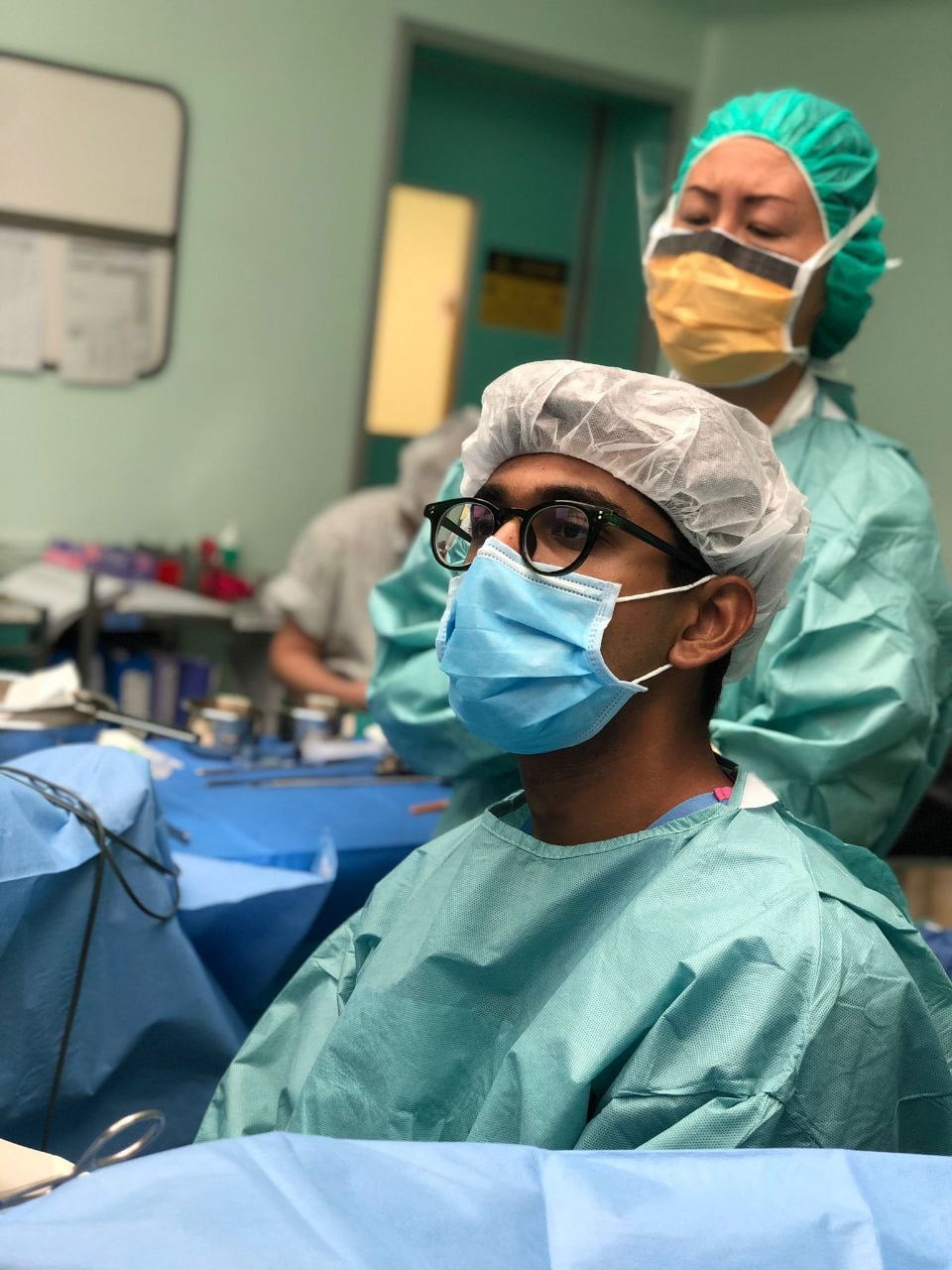
Working in a hospital can be quite chaotic, especially in a surgical specialty. In addition to looking after our patients in the ward, we have to juggle our time between outpatient clinics and the operating theatre. We may also have urgent admissions for very ill patients, or patients requiring urgent surgery.
Back in LKCMedicine, we were required to do pre-reading for our tutorials and Team-Based Learning (TBL) sessions. Whilst this reduced the time spent in the actual classroom setting, we learnt the art of balancing our time so that we could continue to learn efficiently. The approach to self-directed learning also inculcated key skills in how to obtain information on a particular topic, assess the quality of the information and how to use that to guide our learning. As a doctor, a large amount of our day-to-day learning is self-directed and these skills and habits are something that I apply daily.
Can you share a meaningful patient or team experience that reinforced your decision to become a doctor?
Recently, I had a patient who was admitted to the hospital with a very severe kidney infection from a urinary stone. She needed to be admitted to the intensive care unit , required an emergency procedure and there was a lot of uncertainty on whether she would even survive. Fortunately, she was able to pull through that episode and subsequently underwent further surgery to treat her stones. One month later, she walked into my clinic, completely well and recovered from all that she had gone through. This was one of those moments that reinforced my decision to practise medicine.
Urology is known for its diversity and fast-changing landscape. What kind of research are you involved in?
We look after both benign and cancerous conditions. As technology evolves and ongoing research reveals new findings, our clinical practice and the way we look after our patients also changes. A lot of the research that I am involved in therefore looks at how this has an impact on our clinical practice, and how we can continue to innovate to guide our practice moving forward. As patients’ lifestyle and priorities shift, coupled with rising healthcare costs, we have to explore newer ways of treating our patients that address their needs and concerns.
We have to treat our patients as a whole, and not just focus on one particular disease that they might have. There is a strong interplay with lifestyle factors that influences our patients’ conditions. I believe it is important that we bear this in mind. Having pursued additional courses such as exercise science, I find that these additional interests aid me in taking a more holistic approach to patient care.
You’ve been deeply involved in the Singapore Scout Association for many years. How has Scouting shaped your values and leadership style as a doctor?
At the heart of Scouting, our values guide what we do. Over the years, the experiences I have gained as a Scout have inculcated a deep sense of responsibility to help those around me and leave the world a better place. This is something that continues to inspire me, and I hope that I can have a positive impact on not just my patients, but my colleagues and the community of people I work with at the hospital.
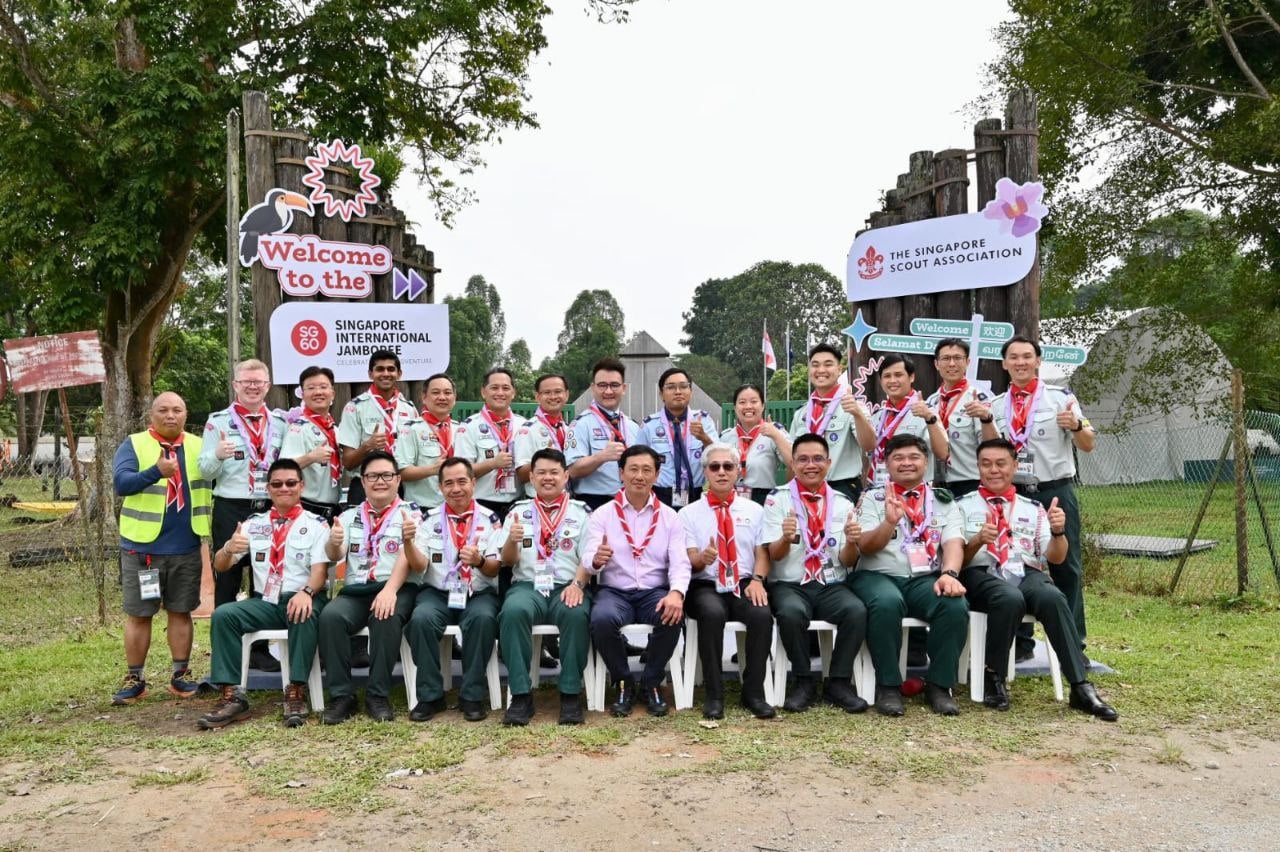
Scouting has also provided me with many opportunities to develop my soft skills. Our patrol system revolves around more senior Scouts mentoring and developing younger Scouts as part of a team. I find that this has put me in good stead to try and provide learning opportunities for my juniors and the medical students whom I may encounter. It has also helped me to communicate well with a diverse range of people, including my patients – many of whom come from varying social circumstances, backgrounds or may speak a different language. Being able to understand each patient’s priorities and concerns allows me to better address their concerns and work with them toward their recovery.
As a member of the Class of 2019, what changes or growth in LKCMedicine are you most proud to see today?
When I first joined LKCMedicine, we were a fledgling medical school and even when I first started work in the hospitals, it was uncommon to encounter a fellow LKCMedicine graduate. Now, there have been many occasions when I feel inspired working with a colleague, only to find out later that they too graduated from LKCMedicine! This is something that leaves me feeling proud of what our School has achieved – training doctors whom you and I would like caring for us.
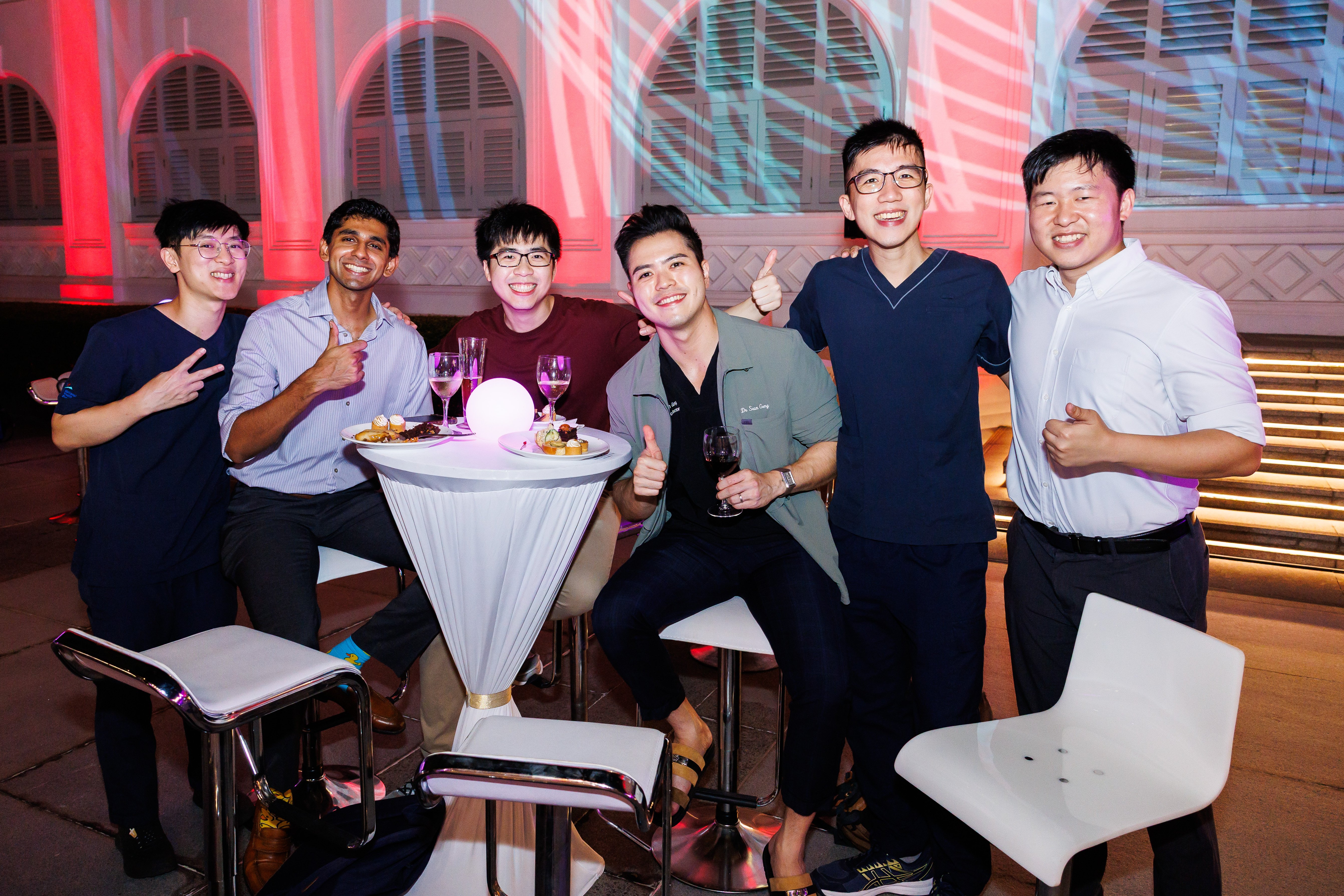
For students interested in combining clinical work, research, and community leadership, what practical steps would you recommend they start taking now?
One key advice I would give would be to seize the opportunities that come your way. Medicine as a career will always be demanding. As medical students and future doctors, we will always have many competing demands – be it being involved in the community, pursuing research or even your own hobbies – it is important to continue to do these other things that bring you satisfaction and can help to motivate you in your practice as a doctor. I find that all of these complement my clinical work and allow me to become a better doctor to serve my patients.
The first step is always the hardest. Rather than a heavy responsibility or large project, I would suggest starting with something small and carve out some time that you feel is manageable. As you get more comfortable, you can then explore taking on more. This is an approach that I continue to practise to this day, and I find that it serves me well.
What are your hobbies? How do you unwind when you’re not at work?
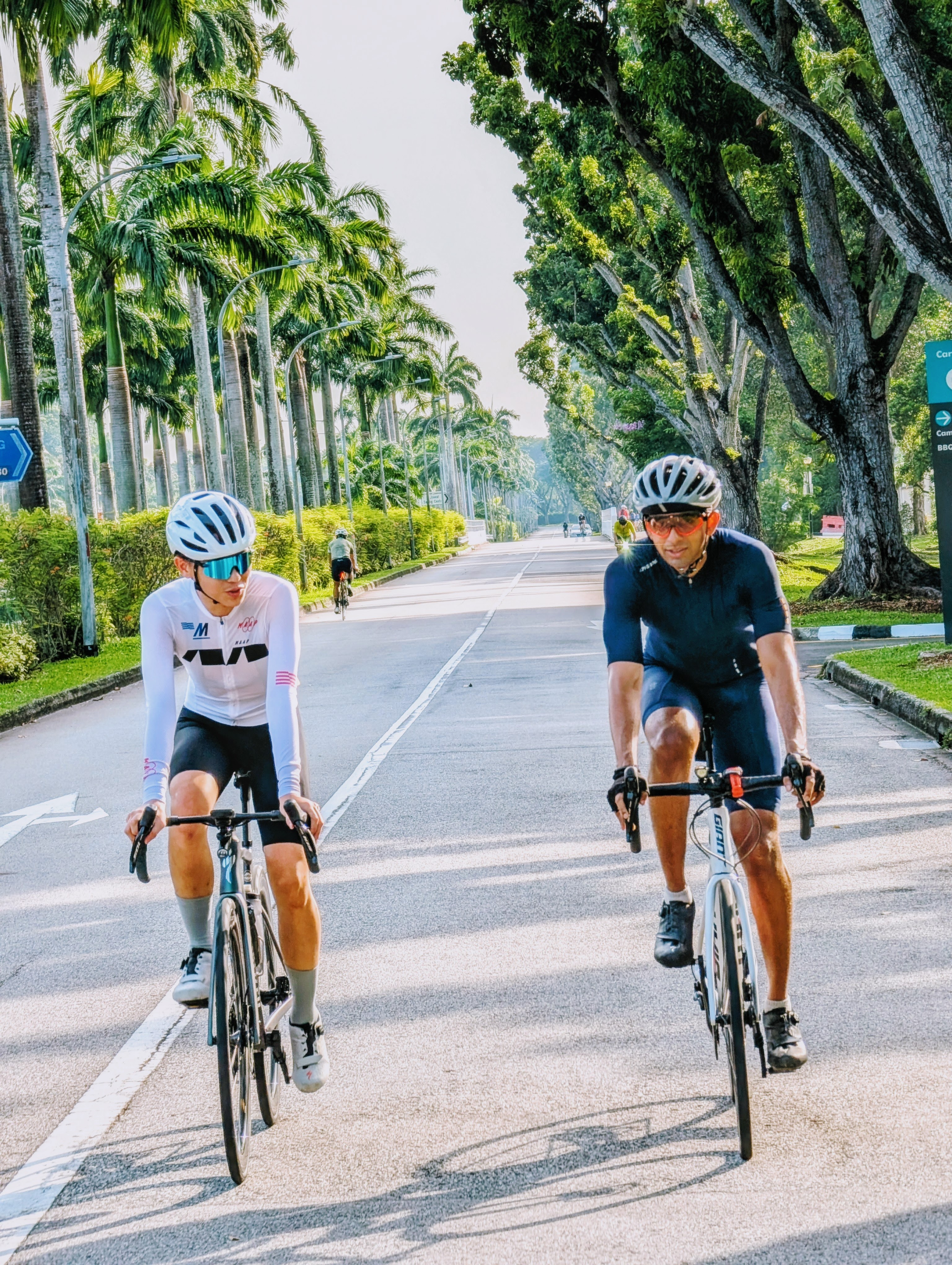
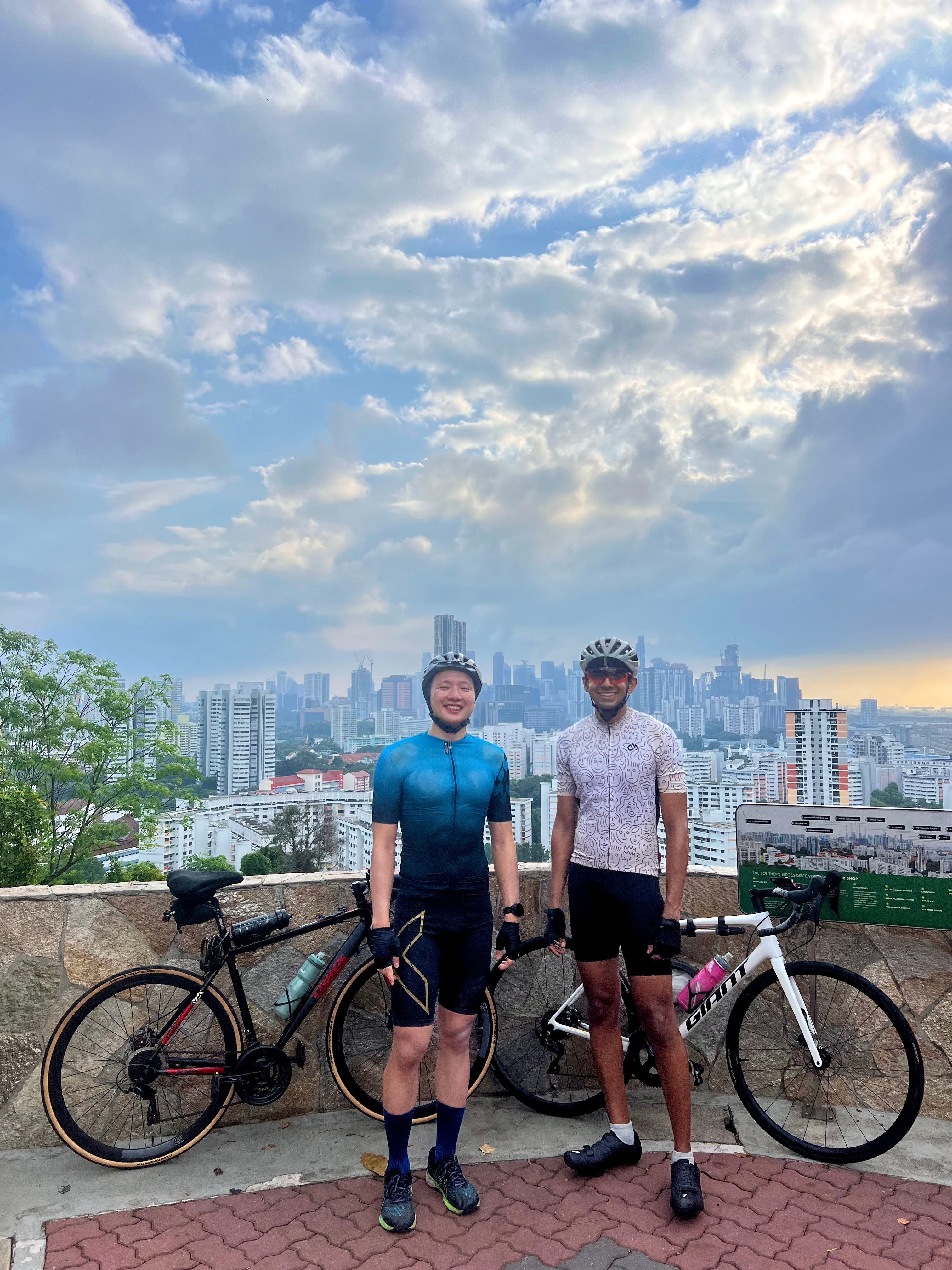
Outside of work, I volunteer regularly with the Scouts, both in Singapore and in the Asia-Pacific region. I also enjoy exercising regularly and run, cycle, do strength training and practice yoga. Amongst other interests, specialty coffee and coffee roasting is another passion of mine, and something that I have been pursuing more in recent years. I find that it is extremely therapeutic to sit with a delicious cup of coffee and unwind during my downtime.
 |  |