Go far to learn
Three NTU communication students share what they picked up from reporting on the lives of displaced Burmese refugees in Thailand as part of NTU’s flagship overseas journalism programme
by Zachary Lim, Taryn Ng and Sara Bapat
“Myanmar scam centres may hold more than 100,000 trafficked people.”
“Mae Sot flooded again after persistent rain.”
“Thousands flee Myanmar for Thailand amid flare-up in civil war fighting.”
We came across these headlines while researching Mae Sot, the destination of our overseas journalism trip. Perched along the Thai-Myanmar border and just an hour’s flight from Bangkok, the town is one of the largest refugee settlements in Southeast Asia, hosting over 80,000 people in nine temporary shelters.
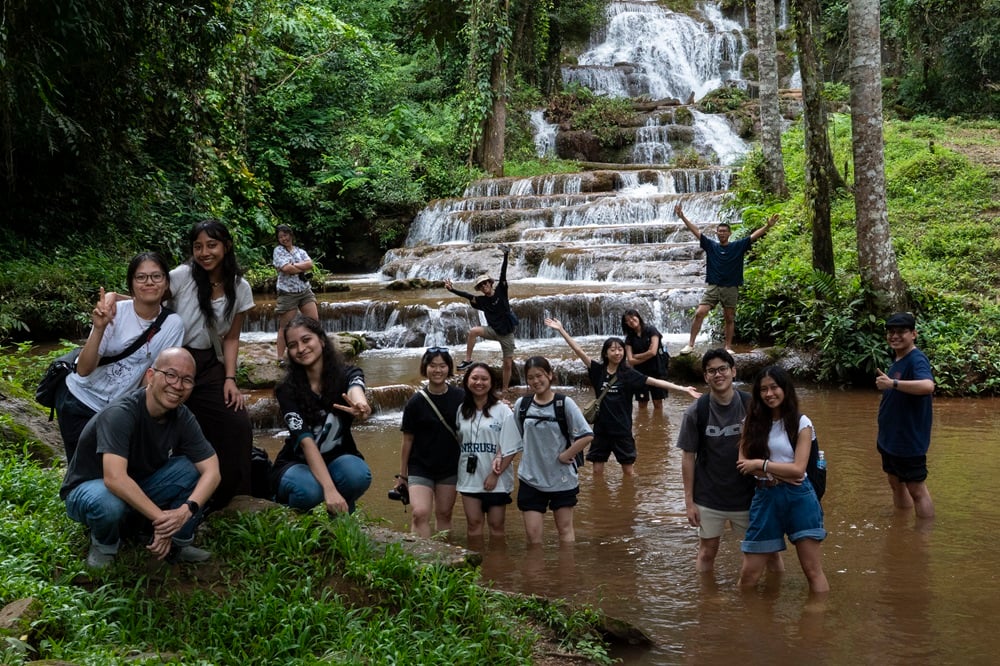
In July last year, 13 of us from the Wee Kim Wee School of Communication & Information spent two weeks in Mae Sot as part of the GO-FAR (Going Overseas for Advanced Reporting) course. There, we met refugees displaced by civil war in Myanmar who are rebuilding their lives in Thailand.
Led by NTU lecturers Samuel He and Ian Tan, we worked on stories about a clinic that offers free 3D-printed prostheses to people who have lost limbs in conflicts, a Singaporean doctor who built an emergency care unit for Burmese migrants, and other inspiring stories of survival.
Compiled into a zine, Displaced, they show that even in times of crisis, hope and resilience prevail.
Our work has been featured in media such as The Straits Times and South China Morning Post.
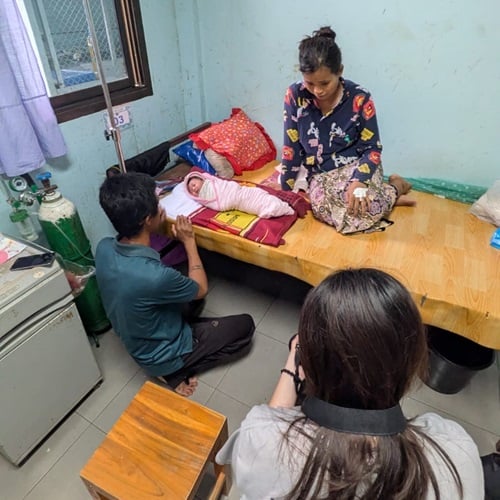 Photo: Faith Peh
In for a ride
“I was riding pillion on a scooter up a steep, narrow dirt road in a refugee camp, gripping the back of my seat for dear life.
Before me, scenes of daily life whizzed by – students strolling to school past the wooden houses, a child riding a bicycle, shopkeepers setting up for the day.
I remember meeting a widow outside a clinic on the day a major humanitarian organisation stopped supplying food. The journalist in me was eager to know more. What were her plans? How would she care for her baby? And what had happened to her husband?
I didn’t know her language, but I understood that there were simply no answers to some questions.
What was an eye-opening two-day experience for me has been everyday life for thousands of Burmese refugees for nearly 50 years. Living one day at a time, they hold out hope that things will get better, and that is something I deeply admire and respect.”
Taryn Ng, visuals editor
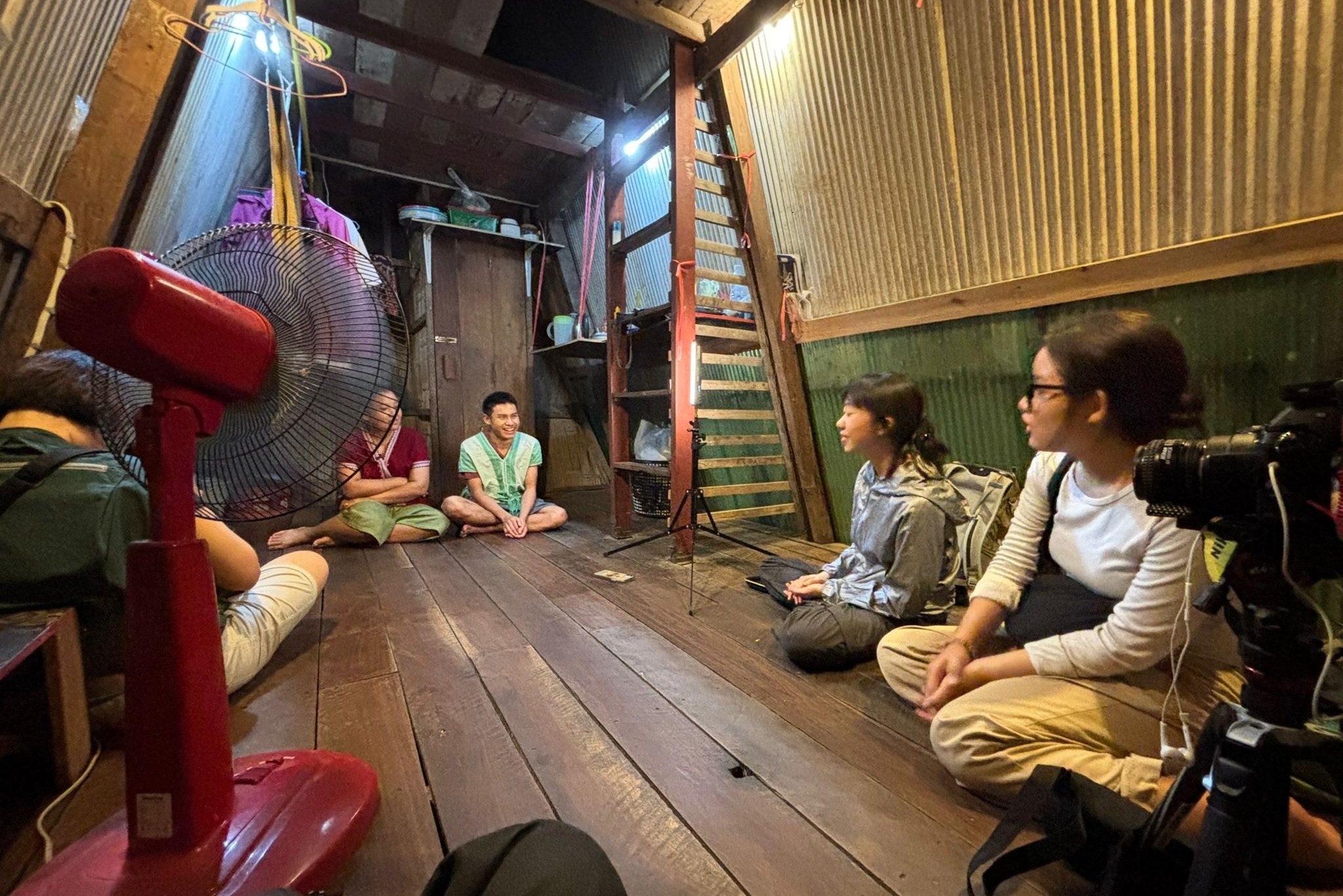 Photo: Samuel He
Taryn (second from right) and Janelle (right) filming a documentary about a migrant youth with special needs.
Guardians of the river
“I wanted to chase a story about how human activity along the Moei River is disrupting the ecosystem and the livelihoods of Myanmar’s indigenous Karen community.
I thought my story would centre on pollution, unregulated fishing and damming. But as I spoke to more people, I realised there were actually many working hard to keep the river and wildlife safe.
I was very inspired by an extracurricular student network that ran workshops and lectures in schools, organised river clean-ups, and even made Facebook videos to teach young people why the river and its ecosystems matter – especially in a place where access to information is so limited.
What broke my heart, though, was hearing watchdog organisations, volunteer groups and villagers along the river lament that substantial change can only happen with more research into the river’s ecology. With unrest still widespread in Myanmar, that research is difficult to carry out.”
Zachary Lim, chief editor
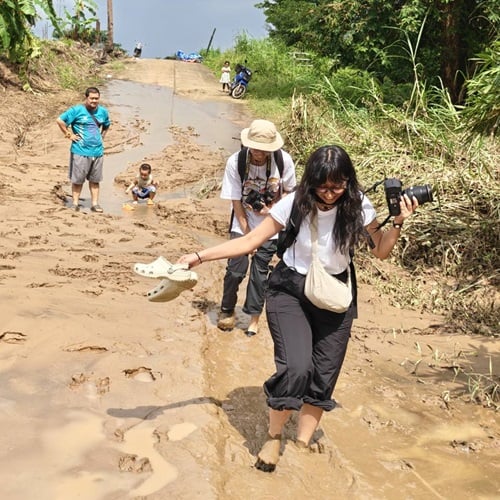 Photo: Ian Tan
Zachary and his course mate, Anis Nabilah, investigating the worsening pollution of the Moei River.
GO-FAR has trained me to be a resourceful journalist; to reach out to small communities through creative and unconventional means, while also exercising respect and empathy for their vulnerable circumstances.
– Zachary
Learning to listen
guard by what some of the students shared, like hearing bombs explode across the border during lessons, and being woken by the same sounds at night.
Before the school installed water filters, students would go to neighbours’ homes or teachers’ offices to ask for drinking water. It made me think about how we often take our education and sanitation systems for granted back home.
Some of the hardest moments came when I entered homes. I met a single father and a single mother who recounted their experiences with domestic abuse and harassment.
Reporting at the migrant learning centre made me slow down, listen and be present. I learnt that listening matters more than trying to ask the ‘right’ question, and the best way to do that was simply to be there.”
Sara Bapat, team lead
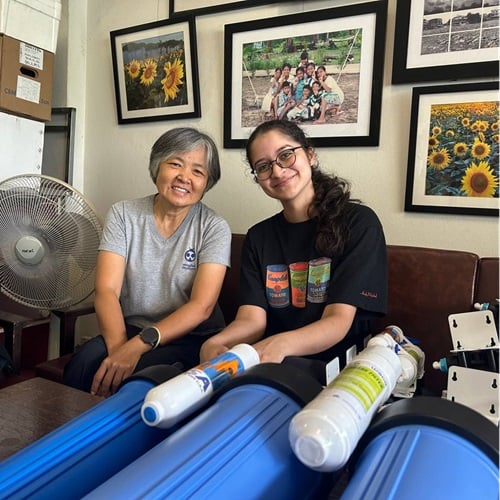 Photo: Clemens Choy
This story was published in the Jan-Feb 2026 issue of HEY!.
Related stories
Finding her north in global affairs
Listening with empathy and approaching new experiences with humility have shaped how NTU student Nurin Haziqah understands public policy, culture and the world
When student president meets vice provost
NTU Students’ Union (NTUSU) President Darren Chin chats with Vice Provost (Student Experience) Assoc Prof Andy Khong about friendships, shared spaces and why connection matters just as much as coursework