_mobile.png?sfvrsn=b3cdfc64_0)
FlexiMasters in Engineering Management
The FlexiMasters in Engineering Management is crafted for experienced professionals and engineers who are ready to move beyond technical expertise and step confidently into management and leadership roles. From mastering strategy and economic analysis to navigating legal essentials, design thinking, and technology commercialization, each course is designed to empower the learner with practical knowledge and future-ready capabilities. The training in advanced skills in data analytics will also prepare learners to lead teams and drive innovation in complex, fast-changing environments. This stackable programme also offers a pathway to learners (who meet the minimum requirements) to the prestigious Master of Science in Engineering Management, supporting lifelong professional upskilling.
The FlexiMasters in Engineering Management also offers a pathway to learners (who meet the minimum requirements) to the prestigious Master of Science (MSc) in Engineering Management, supporting lifelong professional upskilling.
By the end of this programme, learners will be able to:
- Lead Confidently with Strategic and Analytical Leadership Skills: Equipped with advanced strategic management, economic analysis, and decision-making frameworks, you will learn to assess business environments, formulate and implement strategies, and make informed decisions that drive sustainable value in technology-driven organizations.
- Venture Forth with Legal, Design, and Commercialization Knowledge: With courses in legal essentials for engineers, design and systems thinking, and technology commercialization, you will be able to navigate contracts, protect intellectual property, manage risk, and bring innovative ideas from the lab to the market—skills that are directly applicable to real-world engineering leadership.
- Drive Smarter Business Decisions with Analytics: You will gain hands-on experience in data science and analytics, learning how to extract actionable insights, design data-driven solutions, and support business intelligence. These capabilities are crucial for leading teams and making impactful decisions in today’s data-rich environments.
- Gain a Holistic, Future-Ready Management Perspective: The programme’s integrated approach ensures you develop not just technical or managerial skills, but a holistic leadership mindset. You will be prepared to lead teams, manage complex projects, and drive innovation in fast-changing, multidisciplinary settings—making you a valuable asset in any engineering or technology organization.
- The programme consists of six courses worth a total of 15 Academic Units (AUs).
- Assessment(s) will be conducted during every course and learners will be graded based on their performance in the assessment(s).
- While there is no specific admission requirement, the courses are recommended for working professionals preferably with at least 5 years of work experience in engineering or related fields and aiming for managerial or leadership roles, so as to better benefit from and appreciate the course contents.
- Shortlisting will be conducted for this programme.
- Mode of class delivery: Face-to-Face Learning and Asynchronous E-Learning.
- A Graduate Certificate will be awarded to learners attaining 9 AUs, with a minimum Grade Point of 2.5 (which is equivalent to a letter grade of C+) achieved for each course.
- A FlexiMasters will be awarded to learners attaining 15 AUs, and achieving a minimum Grade Point of 2.5 (which is equivalent to a letter grade of C+) for each course.
Pathway to the Master's programme:
Credits earned are valid for 5 years for transfer of credits to the MSc in Engineering Management. The minimum Grade Point eligible for transfer of credits to the Master of Science in Engineering Management is 2.5 (which is equivalent to a letter grade of C+). Transfer of credits is by application and the application will be assessed and approved by the University in accordance with University Credits Transfer and Course Exemption Policy.
To meet SkillsFuture Singapore (SSG) requirements, assessment(s) are conducted during every course. These may include class participation, individual or group assignments, project presentation, quizzes, and/or written examination, depending on the course.
- Working professionals preferably with at least 5 years of work experience in engineering or related fields and aiming for managerial or leadership roles.
- Engineers with technical expertise and aspiring to move into managerial or leadership positions.
- Technical leads/supervisors or engineering managers who wish to formalise and enhance their leadership skills and management knowledge.
Prior knowledge in engineering principles and basic project work experience will be an advantage, but no formal leadership experience is required. Learners without qualifications or working experience in relevant engineering or the related fields may find the course contents challenging.
Note: Shortlisting will be conducted.
| Course title | Objective |
|---|---|
 Strategic Management in Technology-Driven Environments | This course provides advanced strategic management skills for leading and navigating technology-intensive organisations. Learners will develop the expertise in formulating and implementing business strategies that generate sustainable value within volatile, innovation-driven markets. By applying contemporary analytical frameworks, learners will learn to assess dynamic external opportunities, diagnose internal organisational capabilities, and craft strategic responses that are rigorously aligned with corporate vision and values. This course cultivates a leadership mindset that integrates technological foresight, digital transformation principles, and entrepreneurial agility. Learners will be able to critically analyse complex business challenges and determine how organisations can achieve, sustain, and defend competitive advantages in today’s dynamic, technology-driven environments. As this micro-credential course is only offered in the FlexiMasters in Engineering Management programme, learners are required to enrol into the programme and complete all required courses within this programme. At the end of the course, learners will be able to:
|
 Economic Analysis of Engineering Projects (3 AU) | This course empowers engineers to tackle interdisciplinary challenges in planning and managing complex technological systems. With a focus on balancing economic and engineering variables, learners gain essential skills to make data-driven decisions that impact and enhance organizational performance. The curriculum integrates economic analysis techniques and management tools tailored for technology-driven environments. Learners will build a strong foundation in evaluating operational choices through an economic lens, enhancing their strategic thinking and decision-making capabilities. By the end of the course, learners will confidently assess financial implications, tackle industry challenges, and contribute to sustainable, value-driven engineering solutions in today’s competitive, innovation-led landscape. At the end of the course, learners will be able to:
|
 Legal Essentials for Engineers (1.5 AU) | Legal knowledge is vital for engineers who negotiate contracts, collaborate with stakeholders, protect intellectual property, and manage disputes. This course covers key areas of private law relevant to engineering practice, focusing on contract law, torts, and intellectual property. Learners will engage in case studies, simulations, and practical exercises to interpret legal documents, manage risks, and structure clear, fair, and enforceable agreements. By the end of the course, learners will understand how to avoid costly mistakes, make informed strategic decisions, and handle legal challenges confidently, enabling them to contribute more effectively to the planning, execution, and success of engineering projects. As this micro-credential course is only offered in the FlexiMasters in Engineering Management programme, learners are required to enrol into the programme and complete all required courses within this programme. At the end of the course, learners will be able to:
|
 Design and Systems Thinking for Engineers (3 AU) | This course equips learners with in-demand skills to understand and create solutions for complex engineering problems through the combination of design and systems thinking methods. Learners will master the fundamentals of systems structure and behaviour and deconstruct real-world challenges using proven systems thinking methodologies. Through the design thinking process, learners will apply iterative frameworks and practical tools for generating insights, reframing problems, and creating user-centred solutions. This course empowers engineers to apply strategic, holistic approaches that drive creativity, improve decision-making, and deliver viable solutions that meet user needs. As this micro-credential course is only offered in the FlexiMasters in Engineering Management programme, learners are required to enrol into the programme and complete all required courses within this programme. At the end of the course, learners will be able to:
|
 Corporate Resource Planning and Operations Management (3 AU) | This course integrates concepts in business planning, demand and supply planning, Information Technology and change management. The course focuses on planning and control of inventories and manufacturing capacities, and Sales and Operations Planning (SOP) which has emerged as an essential top management tool. In this course, learners will develop planning and analytical skills useful for sales and operations planning, demand management, order fulfilment, master production scheduling and planning and control of capacity and requirement planning of component/sub-assemblies. The course is specifically tailored for practicing engineers, and logisticians employed (or seeking employment) in Supply Chain, Manufacturing or Logistics sectors. As this micro-credential course is only offered in the FlexiMasters in Engineering Management programme, learners are required to enrol into the programme and complete all required courses within this programme. At the end of the course, learners will be able to:
|
 Data Science and Analytics for Business Intelligence (3 AU) | This course equips learners with the knowledge and practical skills to apply data science and analytics for informed decision-making in engineering management and business contexts. Learners will learn to extract actionable insights from data, design data-driven solutions, and apply advanced techniques to support business intelligence and decision making. Emphasis is placed on linking technical data analytics methods with strategic and operational decisions, enabling learners to become effective managers who can bridge the gap between engineering, data, and business. As this micro-credential course is only offered in the FlexiMasters in Engineering Management programme, learners are required to enrol into the programme and complete all required courses within this programme. At the end of the course, learners will be able to:
|
Venue: Lifelong Learning Institute (LLI) and Virtual (Online)
Date: August 2026 to March 2027
| COURSE TITLE | CLASS SCHEDULE (TENTATIVE) | |
| Strategic Management in Technology-Driven Environments | August 2026 |
|
| Legal Essentials for Engineers | September 2026 | |
Economic Analysis of Engineering Projects | November 2026 | |
| Design and Systems Thinking for Engineers | October, November 2026 | |
| Corporate Resource Planning and Operations Management | January 2027 | |
| Data Science and Analytics for Business Intelligence | February/March 2027 |
- To facilitate the shortlisting process, please submit your highest qualification certificate(s) and resume at the point of course registration(s).
Venue: NTU Main Campus
Date: AY2026/27
| COURSE TITLE | CLASS SCHEDULE AY2026/27 |
| Strategic Management in Technology-Driven Environments | Semester 1 |
| Legal Essentials for Engineers | Semester 1 |
| Economic Analysis of Engineering Projects | Semester 1 |
| Design and Systems Thinking for Engineers | Semester 1 |
| Corporate Resource Planning and Operations Management | Semester 2 |
| Data Science and Analytics for Business Intelligence | Semester 2 |
Listed courses are:
- Credit-bearing and stackable to Graduate Certificate in Engineering Management (9 AU), FlexiMasters in Engineering Management (15 AU), and MSc in Engineering Management (30 AU).
Note: NTU reserves the right to change the date, venue, and mode of delivery due to unforeseen circumstances.
 | These courses are part of:
Learners will receive their Statement of Accomplishment (for a grade of D and above) or Certificate of Participation for each course—dependent upon their assessment performance. |
Programme Fee: S$28,340 (inclusive of GST)
| BEFORE funding & GST | AFTER SSG funding (if eligible under various schemes) & 9% GST | |||
| SSG Funding Support | Programme Fee | Course Fee | Programme Fee Payable | Course Fee Payable |
Singapore Citizen (SC) and Permanent Resident (PR) (Up to 70% funding) | S$26,000 | S$2,600 - S$5,200 | Pending SSG approval | Pending SSG approval |
| Enhanced Training Support for SMEs (ETSS) | S$26,000 | S$2,600 - S$5,200 | Pending SSG approval | Pending SSG approval |
Singapore Citizen aged ≥ 40 years old SkillsFuture Mid-career Enhanced Subsidy (MCES) (Up to 90% funding) | S$26,000 | S$2,600 - S$5,200 | Pending SSG approval | Pending SSG approval |
- NTU/NIE alumni may utilise their $1,600 Alumni Course Credits for each course. Click here for more information.
- Learners can utilise their SkillsFuture Credits for these courses.
- Singaporeans aged 40 years and above are able to use their SkillsFuture Credit (Mid-Career) top-up of $4,000 to offset the course fees after SSG funding.
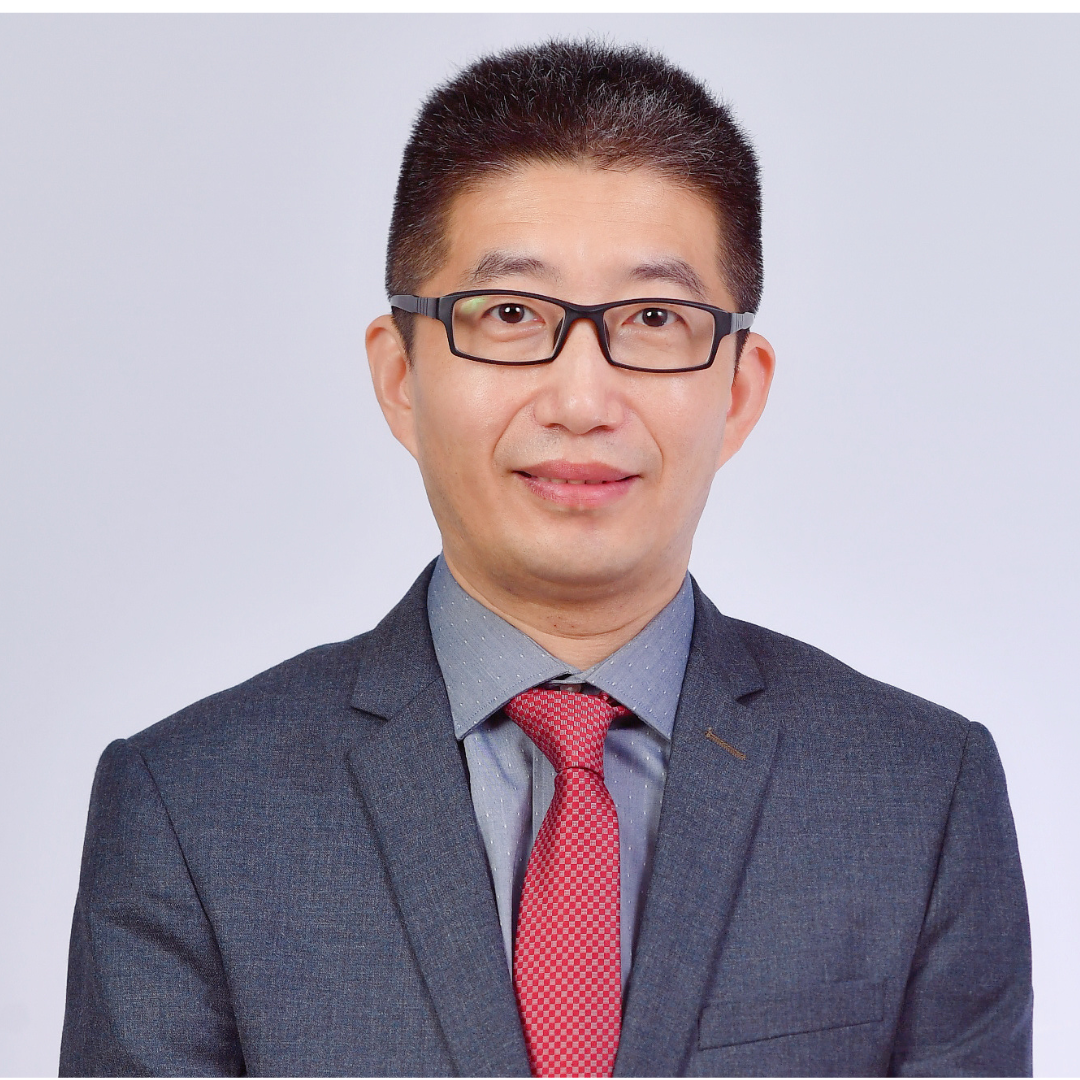 Dr Yan Li | Dr Yan Li is currently a Senior Lecturer in Nanyang Business School (NBS) at Nanyang Technological University (NTU). Prior to this position, he held a dual appointment as Professor of Practice in Strategic Management and Director of Executive Education at Xi'an Jiaotong Liverpool University (XJTLU). He has also served as a Senior Lecturer of Strategic Management at Singapore Management University (SMU) and held director roles at Shanghai Advanced Institute of Finance (SAIF) and China Europe International Business School (CEIBS). His research areas include international business, strategic management, and business model design. He specializes in topics such as blockchain and FinTech business model design, radical organizational changes, and complexity management in times of crisis. His work adopts qualitative and historical approaches to understand the institutional impact on organizations. |
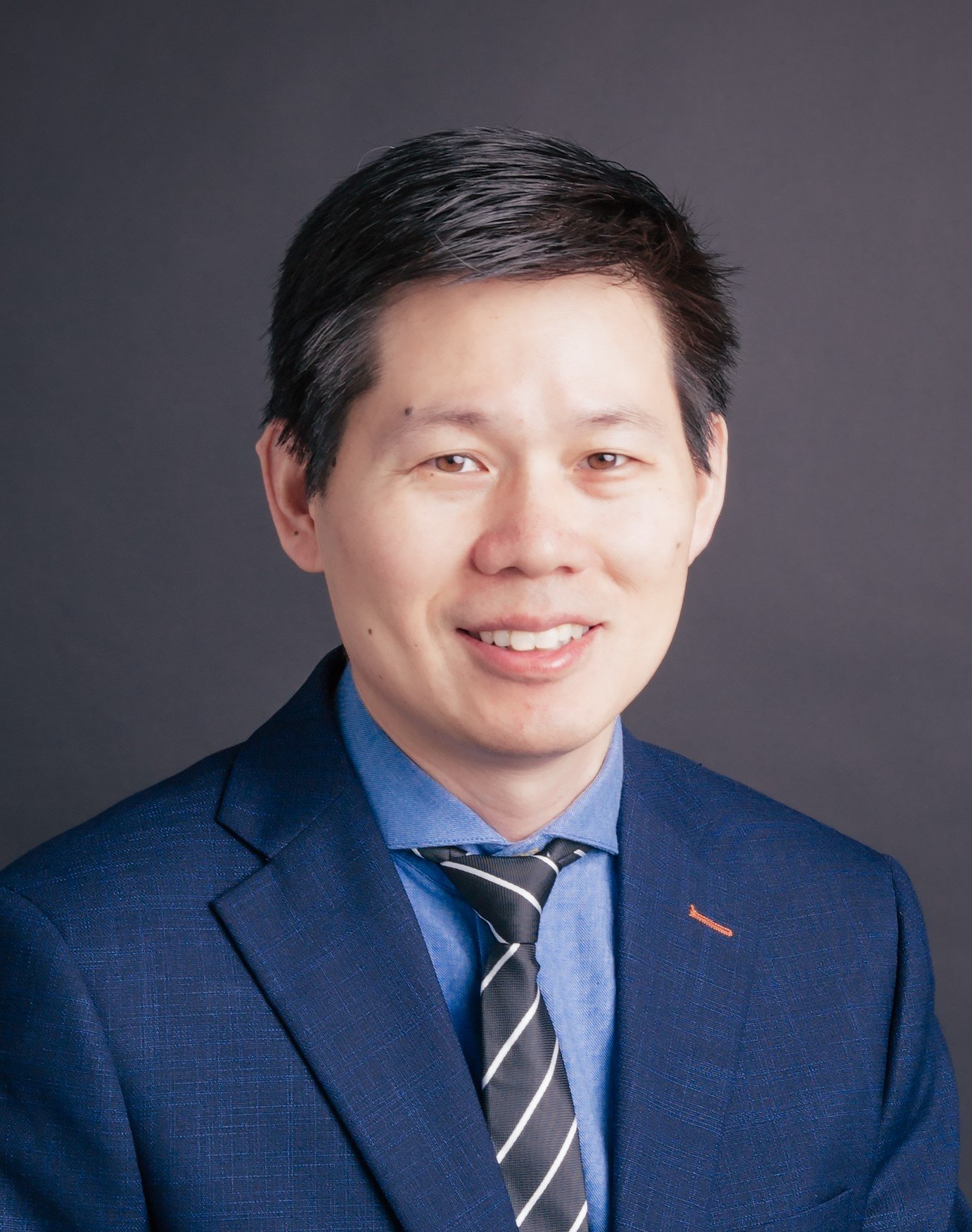 Dr Chen Songlin Dr Chen SonglinInstructor for: Economic Analysis of Engineering Projects | Dr Chen is currently a Senior Lecturer and Assistant Chair for Graduate Studies at the School of Mechanical and Aerospace Engineering (MAE) at NTU. He obtained his Ph.D. in Industrial Engineering and Engineering Management from the Hong Kong University of Science & Technology. Prior to that, he earned a Master’s degree in Aeronautics and Astronautics from Stanford University and a Bachelor’s degree in Aerospace Engineering from the National University of Defence Technology in China. His research is focused on the design and operations of advanced manufacturing and service systems. He has a special interest in mass customization, system reliability and risk analysis, as well as supply chain coordination and contracting.
|
 Associate Professor Althaf Marsoof Associate Professor Althaf MarsoofInstructor for: Legal Essentials for Engineers | Althaf Marsoof is an Associate Professor at the Division of Business Law of Nanyang Business School, NTU, where he currently serves as the Deputy Head of the Business Law Division and as a Fellow of the Renaissance Engineering Programme. He holds a PhD from King’s College London, an LLM from the University of Cambridge, and is qualified to practise law in Sri Lanka, having previously served as a State Counsel. Althaf specialises in intellectual property law and technology law, with research published in reputable international journals. He is an award-winning educator, receiving the NBS Teaching Excellence Award in 2024 and the REP Teacher of the Year Award in 2021. His book on internet intermediaries and trademark rights has been cited in the European Court of Justice. |
 Mr Jeffrey Hong Mr Jeffrey HongInstructor for: Design and Systems Thinking for Engineers | Jeffrey Hong is currently a Senior Lecturer at the School of Art, Design and Media (ADM), NTU. He holds a Master of Science in Human Factors Engineering from NTU and a Bachelor of Technology in Industrial Design from Monash University. Jeffrey has varied experience practicing as a product designer, working on designs for packaging, consumer products, exhibitions, and transportation. He has been teaching Design for the past 25 years at various tertiary institutions in Singapore. |
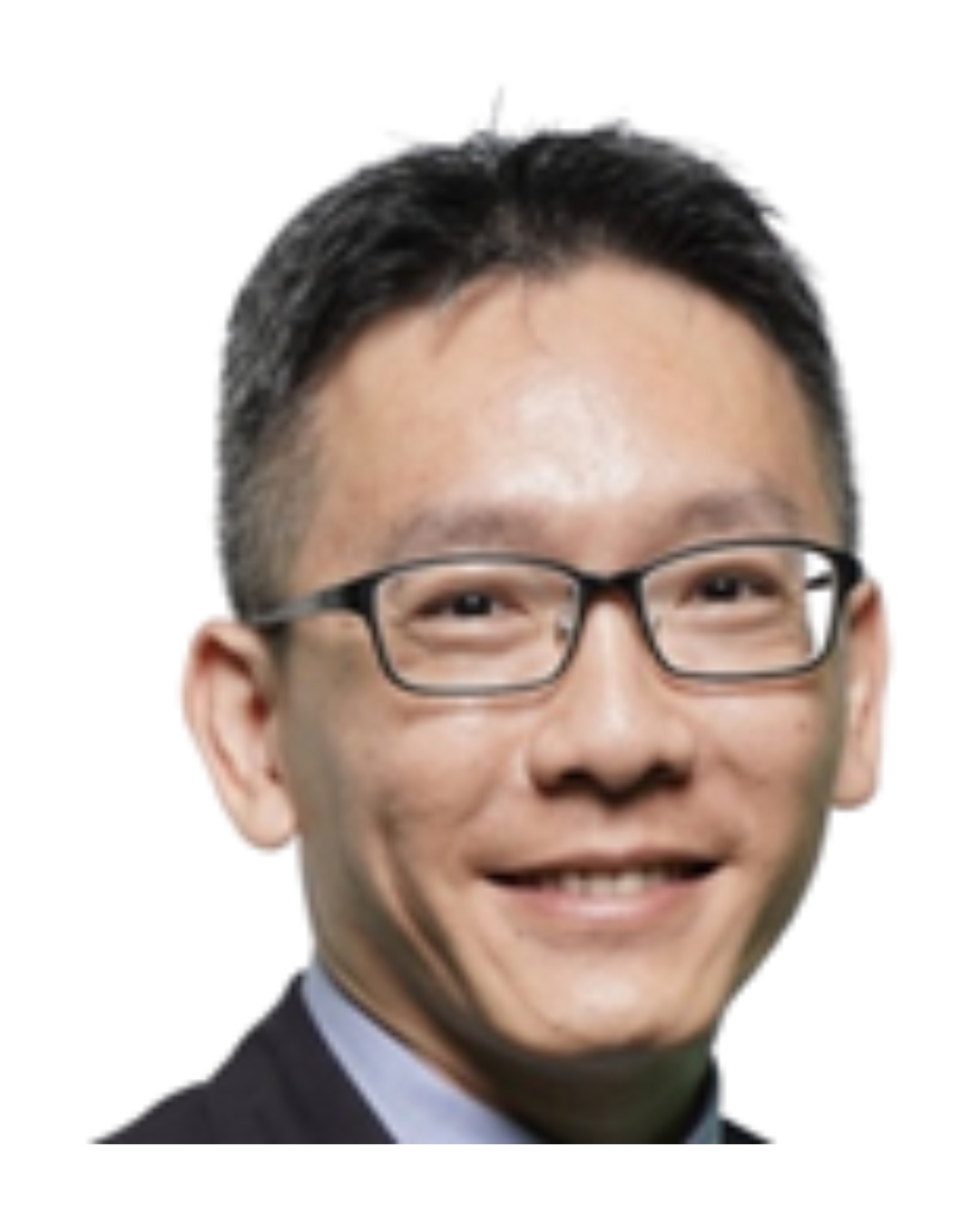 Associate Professor Andy Khong Associate Professor Andy KhongInstructor for: Design and Systems Thinking for Engineers | Associate Professor Andy Khong is a faculty member with the School of Electrical and Electronic Engineering and holds a joint appointment with the Lee Kong Chian School of Medicine. He currently serves as the Deputy Associate Provost (Student Life) at NTU. He graduated with a B.Eng. from NTU and a PhD in signal processing from Imperial College London. His research interests include AI and machine learning with applications in learning analytics, microphone array technologies, and mobile health apps. |
 Dr. Rajesh Piplani Dr. Rajesh Piplani Instructor for: Corporate Resource Planning and Operations Management | Dr. Rajesh Piplani (Ph.D. Purdue University, 1995) is an associate professor at Nanyang Technological University, Singapore and the Director of M.Sc. program (Supply Chain Engineering). Dr. Piplani's interests are in supply chain design and inventory planning of manufacturing, logistics and pharmaceutical enterprises. His latest project entails investigation of machine learning to shop floor control and supply chain planning. Dr Piplani has offered customized programs for various companies (PSA, DHL, Singapore Customs, TNT, Phillips, Maxtor, etc.), and for all the three branches of Singapore Armed Forces (Army, Navy, and Air Force). He has worked on supply chain modelling and analysis projects for Singapore-based companies in the pharmaceutical, automotive, electronics and beverage sectors. |
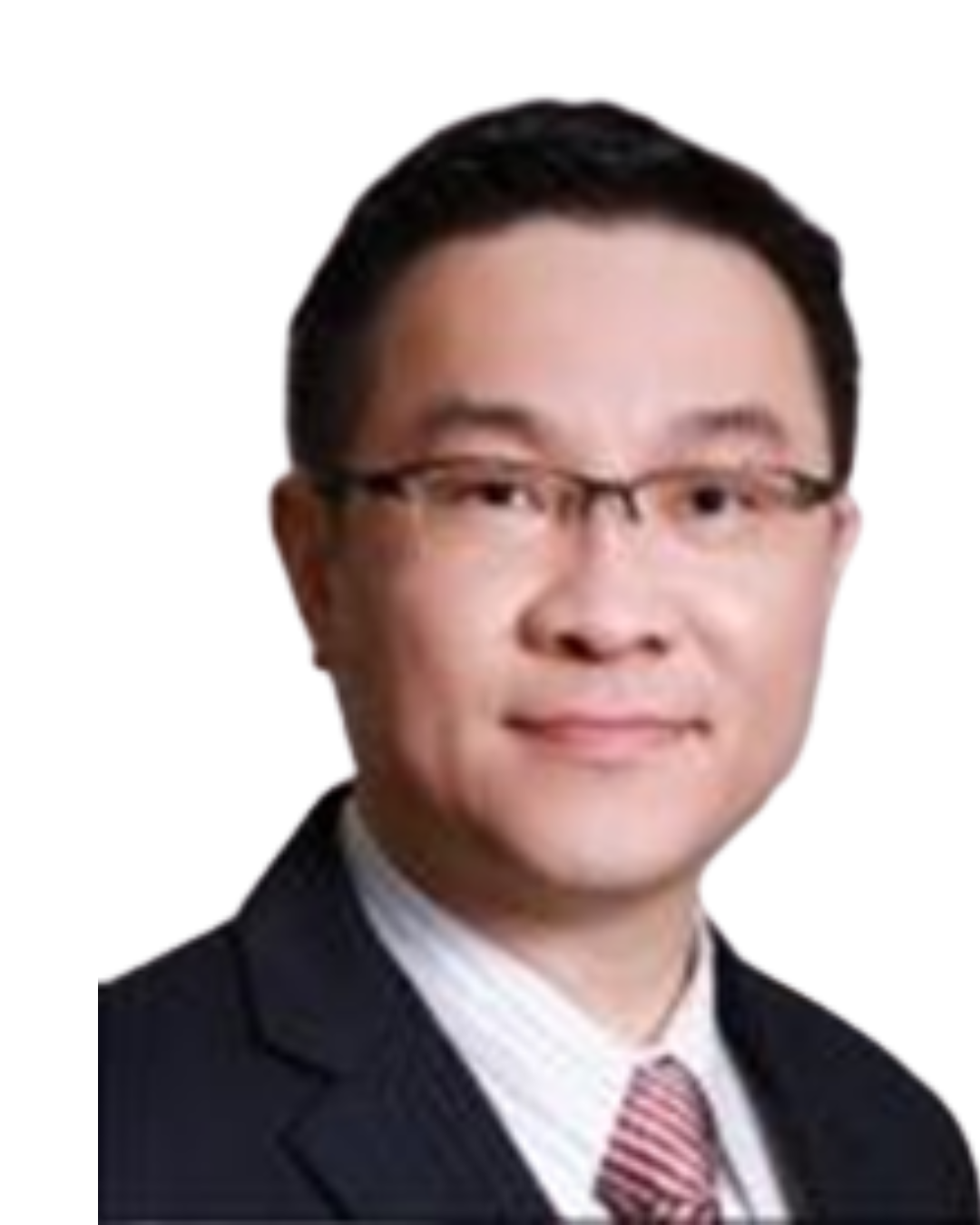 Mr Neumann Chew C.H. Mr Neumann Chew C.H.Instructor for: Data Science and Analytics for Business Intelligence | Mr Neumann Chew C.H. is a Senior Lecturer at Nanyang Business School, where he leads Data Science and Machine Learning projects with companies. Previously, he was Principal and Head of Analytics at SAS Institute, designing advanced analytics solutions for government agencies and MNCs. He also served as Head of Research & Statistics at the Ministry of Health. He published the textbook Artificial Intelligence, Analytics and Data Science, which is currently used in master’s programmes and executive courses. A recipient of the 2023 Teaching Excellence Award, he specializes in bridging technical data analytics methods with strategic business decisions.
|