
Qualification of Parts Printed by Metal Additive Manufacturing
This course on Qualification of parts printed by metal additive manufacturing will cover the framework for qualification of metal additive manufacturing (AM) printed part and process for AM metal part production. The training course will focus on aspects of powder material, powder bed fusion machine, operator qualification and metal parts to be produced. The focus is on powder bed fusion of metal parts using laser beam (PBF-LB/M) method.
The course will go into detail the part classification, pre-process qualification for AM machine, in-process qualification of AM parts at specimen level and post-processing qualification for AM Parts.
The more you practise and adapt design thinking in your life the more opportunities you will have to demonstrate strategic innovation.
The main objective is to provide basic understanding on aspects of powder material, powder bed fusion machine, operator qualification and metal parts to be produced.
Module | Content |
Introduction to SS 666:2020 Standard document |
|
Part Classification and Pre-Process Qualification Concepts |
|
In-Process Qualification Concepts |
|
Specimen Testing Requirement for AM parts |
|
Post-Processes qualification and requirements
|
|
Laboratory and Operational Testing of AM Parts
|
|
Personnel who need to read engineering drawings. Relevant occupations include:
Engineering Managers
Product Designers
Process and Tooling Engineers and Technical Personnel
Quality Control Inspectors
Procurement Personnel
Venue: NTU Main Campus
Duration: 1 days, 9am-5pm
| Course | Course Date |
|---|---|
Qualification of Parts Printed by Metal Additive Manufacturing | Course Date: 15 May 2026 Registration Closing Date: 15 April 2026 |
Note: NTU reserves the right to change the date, venue, and mode of delivery due to unforeseen circumstances.
 | Upon course completion and fulfilling all requirements, participants will be awarded an NTU e-Certificate of Completion, demonstrating their proficiency in the essential areas of the course. |
Standard Course Fee: S$981
SSG Funding Support | Course fee | Course fee payable after SSG funding, if eligible under various schemes |
BEFORE funding & GST | AFTER funding & 9% GST | |
Singapore Citizens (SCs) and Permanent Residents (PRs) (Up to 50% funding) | S$900 | S$531 |
Enhanced Training Support for SMEs (ETSS) | S$351 | |
SCs aged ≥ 40 years old |
Funding Requirements:
- You must achieve a minimum of 75% attendance for each module.
- You must complete and pass all assessment components.
Read more about funding here.
Credits:
- SkillsFuture Credit:(Opening Credit): Applicable
- SkillsFuture Credit ($4000 Mid-Career Top-Up Credit): Not Applicable
- NTU/NIE Alumni Credits (up to S$1,600): Applicable
NTU/NIE alumni may utilise their $1,600 Alumni Course Credits. Click here for more information.
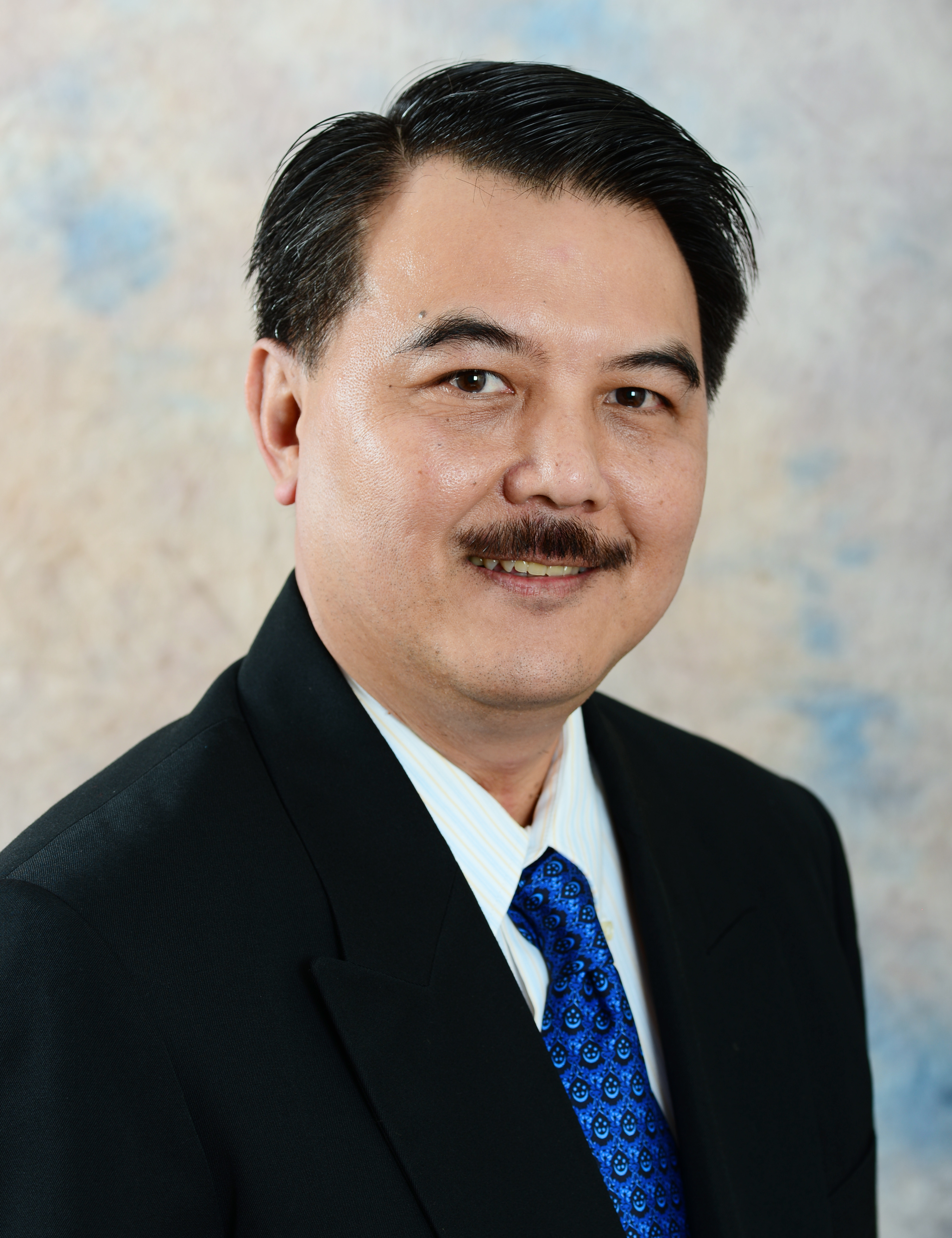 | Dr John Pang Prof Pang is Professor at the School of Mechanical and Aerospace Engineering of Nanyang Technological University. He received his PhD degree in 1989 and BSc degree in 1985 from the University of Strathclyde, Scotland. He worked at the Structural Integrity Department of TWI (The Welding Institute) and joined Nanyang Technological University in June 1990. His expertise are in Metal Additive Manufacturing (M-AM), Mechanics of AM Materials, Structural Integrity, Failure Analysis and Reliability of Metallic Parts and Structures. Prof Pang serves in the Manufacturing Standards Committee and Smart Manufacturing Technical Committee. He is a Fellow of the American Society of Mechanical Engineers (FASME), Fellow of Institution of Engineers Singapore (FIES) and serves in the Editorial Advisory Board of the International Journal of Fatigue. |