
Critics versus Janeites
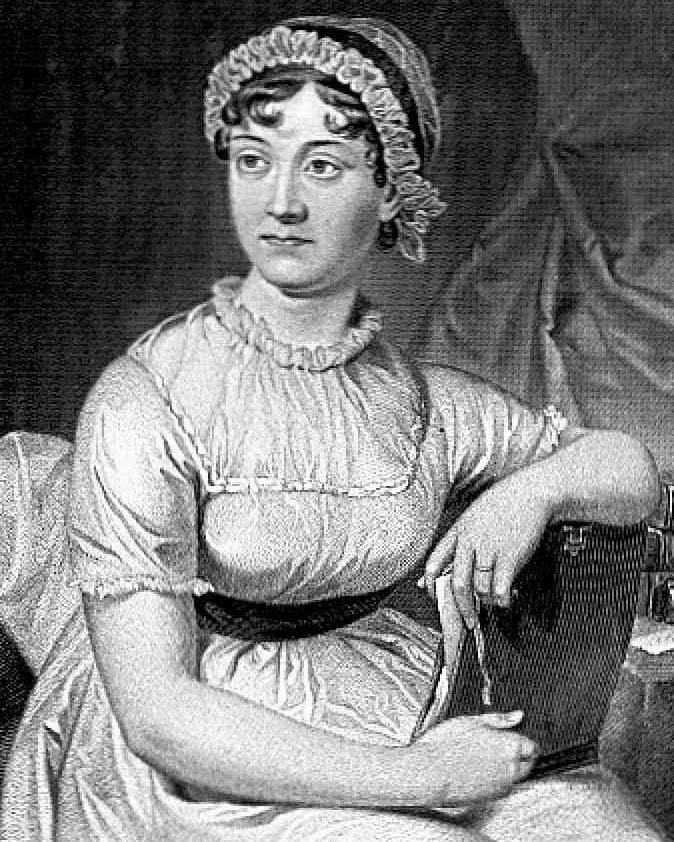
This talk concerns the division between Jane Austen critics and the Janeites, largely non-academic, devotional re-readers who do not purport to any disciplinary method. The genealogy I construct begins with DW Harding’s throwdown in 1939 that Jane Austen’s ‘books are, as she meant them to be, read and enjoyed by precisely the sort of people whom she disliked’ and concludes with a counter-vindication in Deidre Lynch’s 2000 anthology, Janeites. In distinguishing their interpretative activities from the zombie practices of a lay readership, professional critics initiated an implicit contest: Who understands her novels? versus Who Loves Jane? As Claudia Johnson observes, ‘absolutely foundational to the practice of Austenian criticism in the academy was the discrediting of Janeites’. And yet, Austen critics—including Harding—have often been Janeites themselves, investing in a subject who is both psychologically and artistically formidable, whose mastery lies in formal and emotional control. How have our investments in Austen changed? Who is she for critics today? I conclude by gesturing toward a Camp Austen and its limitations.
Wendy Anne Lee is a literary theorist, and an associate professor of English at NYU. Her first book, Failures of Feeling: Insensibility and the Novel (Stanford, 2018), traces an origin story of the Bartleby problem in the long history of the novel. Her current project, Jane Austen and the End of Life, concerns the overlapping phenomena of reading, writing, and dying through the particular lens of a Janeite metaphysics. Professor Lee is a proponent of collaborative, transdisciplinary teaching and the public humanities. She is co-founder of the Consent Lab, a mobile arts unit devoted to interactive experimentation.