Exploring Graphic Medicine
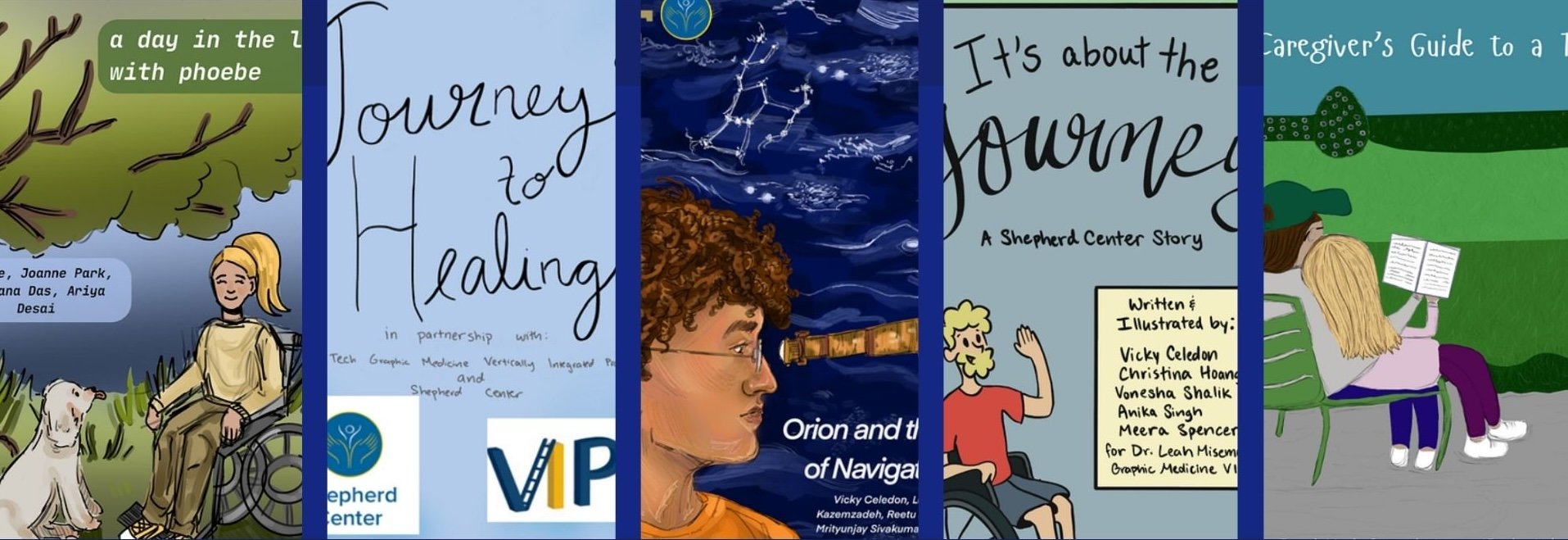
The Graphic Medicine Lab at Georgia Tech serves as an incubator for all aspects of graphic medicine, a research field that encompasses various examinations and opportunities related to visual communication used in medical contexts. This presentation will detail the work of that lab in its first 3 years, from making comics for community partners to compiling the Mental Health Comics Database, to creating and running student led workshops with community members. Finally, I’ll discuss some in progress research that takes advantage of the long term nature of the Vertically Integrated Projects (VIP) Program, an interdisciplinary, team-based undergraduate research program with a presence at 54 universities around the world, to bring iterative user testing (traditionally used in engineering) to graphic medicine. Featuring student work and full of practical examples, many created by pre-med students, the presentation will introduce attendees to the wide range of possibilities within the field of graphic medicine.
Leah Misemer earned her PhD from University of Wisconsin-Madison where she focused on how marginalized groups used comics to form communities. Currently, she is faculty at Georgia Tech, where she serves as the Assistant Director of the Vertically Integrated Projects (VIP) Program, a program with a presence at 54 universities around the world that enables interdisciplinary student teams to work long term on faculty research. Her own VIP team supports the Graphic Medicine Lab, where she and her students explore the many intersections of healthcare and visual communication through their creation of comics, exhibits, workshops, and web-based resources. Her position as an ambassador for a VIP mentor site has taken her all over the world, giving her the opportunity to lead drawing-to-think workshops at many universities across North America, as well as most recently, in Latvia and Sweden. Her 15+ years of researching and teaching comics have demonstrated that comics reading and making can bridge divides—across distances, between people, and beyond boundaries.